
Introduction
Businesses aren’t following the same old rules for growth anymore. They’re not doing top-down marketing anymore. Instead, they’re building communities where customers, users, partners, and fans can actually help things move forward. What’s happening right in the midst of all this change? AI. These days, it’s not just about automating things or crunching numbers. AI is becoming the main way teams connect with many people in more personal and meaningful ways.
To build a real community, people need to trust each other, be involved, and get something out of it. But when you run a big business, it’s challenging to keep track of all those conversations and relationships. That’s when AI comes in. AI assists teams in identifying their most ardent supporters, tailoring their outreach strategies, monitoring community sentiment, and even forecasting future events. It’s not just about getting things done faster; it’s also about getting smarter and using data and real insights to help businesses grow.
Table of contents
Predictive Analytics and Community Health Intelligence
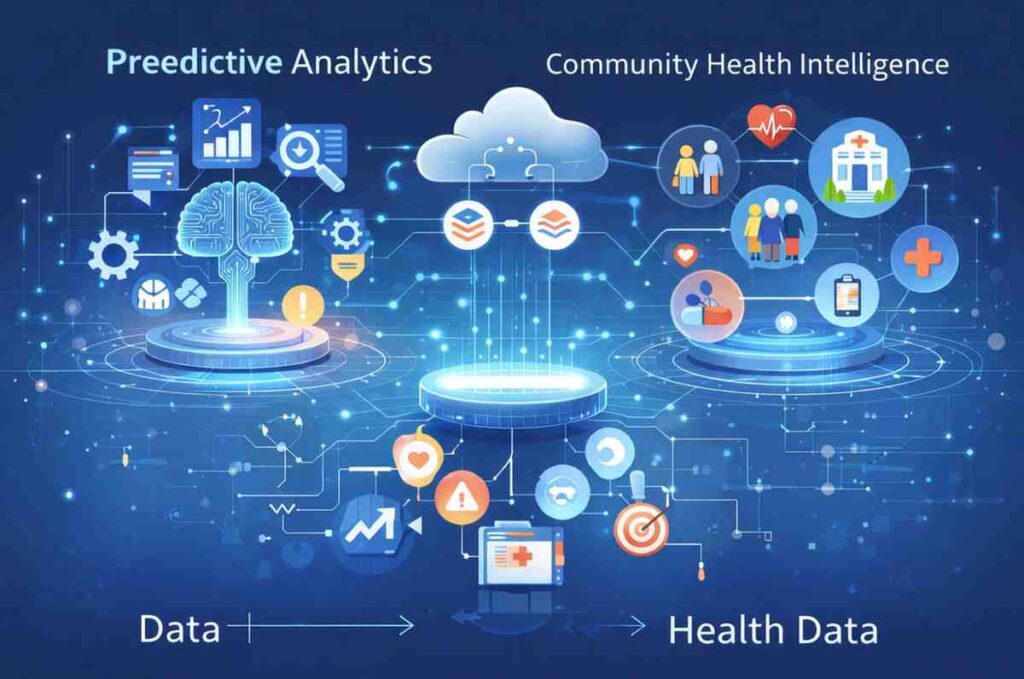
Community-led growth really comes down to understanding how your people engage. Who’s on track to become a true advocate? Who’s quietly slipping away? Where are those key moments when everything starts to take off?
AI steps in here, reading all the signals. It examines attendance, contributions, invitations, and feelings based on what they say. More and more, companies lean on AI dashboards to track “community health scores.” These tools don’t just spot who’s likely to leave; they highlight new leaders before anyone else sees them.
Enterprise reports show this approach works: organizations using AI for engagement scoring keep about 20% more members than teams relying on old-school manual tracking. With these predictive systems, community managers step in sooner, rally their biggest fans, and spark conversations before things cool off. To really run community-led growth at scale, you need this kind of intelligence, a way to spot what people can’t see on their own.
AI is changing social listening in a big way. You don’t have to read through many posts and comments yourself with NLP tools. They find trends, problems, and new ideas for you. You won’t have to wait days or weeks for survey results anymore. Companies can now get real-time feedback from their communities.
“Predictive analytics is becoming the backbone of community-led growth. When AI can identify early advocacy signals or churn risk patterns, growth teams stop operating reactively. The real advantage isn’t just retention, it’s knowing where to double down before momentum becomes visible to everyone else,” said Rafael Sarim Oezdemir, Head of Growth at EZContacts
AI-Powered Personalization at Enterprise Scale
Getting real personalization right in community-led growth is tough, especially when you’re dealing with huge audiences. However, AI now intervenes, transforming the landscape. These systems analyze how people behave, what they click, how they feel, and where they go, all in real time. Suddenly, companies can customize messages, recommend just the right content, and spark conversations that actually matter, even when they’re working at a massive scale.
It’s not just hype. Some big companies are already seeing engagement jump by 30%, and their content teams are spending way less time, almost 40% less, cranking out new material, thanks to AI-powered personalization. Instead of lumping people into basic demographic buckets, machine learning now adapts to what users want in the moment. Growth teams can actually keep pace with what their communities care about, right as things change.
“AI-driven community platforms let companies stop just reacting and start anticipating what’s next. Growth teams don’t have to blast out generic campaigns anymore. They can focus on niche groups, give power users more ways to contribute, and serve up experiences that actually stick,” said Wyatt Mayham, founder of Northwest AI Consulting.
Automation Without Losing Authenticity
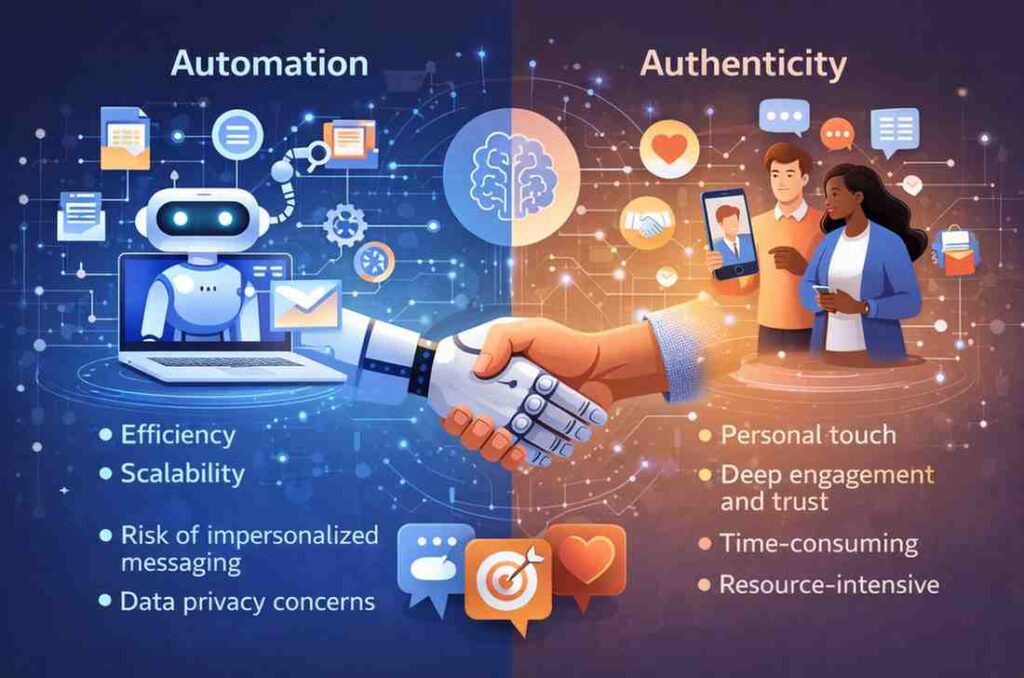
Business leaders are concerned that AI automation will make their communities less real. The best companies don’t just give everything to AI; they use it to help people do their best work. AI does the boring things, like moderating posts, tagging content, bringing new people on board, and answering common questions. That means teams spend less time doing the same things over and over again and more time getting to know people.
The numbers support this. Companies that use AI for moderation answer questions twice as fast and keep customers satisfaction. When someone asks a simple question, AI jumps in and answers right away. A person steps in to deal with things when they get hard or touchy.
The goal is not to make the community automatic. It’s to help people make real connections by giving them smart tools that help them do more of what matters.
AI recommendation engines also help people find each other and join the conversations that interest them. This leads to more one-on-one connections and creates the kind of network effect that helps communities grow.
Generative AI also changes the way people work together. Teams can now collaborate to create content much more easily. Companies can ask members to share stories or ideas, and AI will help organize and highlight those voices. AI makes it easier for people to speak up, and it keeps everything feeling real.
Conclusion
AI isn’t taking over community-led growth, it’s strengthening it. Large corporations manage numerous components, and AI helps them keep pace. It sorts through huge amounts of data, spots trends before they happen, and streamlines the day-to-day work. That means teams can focus on what really matters: building real connections.
Companies that see AI as part of their DNA, not just a quick fix, are the real winners. AI-powered community-led growth doesn’t mean turning on a switch and letting the robots do everything. It’s about making real connections, gaining trust, and bringing people together on a larger scale.
Companies that use AI in their communities will be ahead of the rest of the pack as AI continues to improve. Their communities won’t just be a bunch of users; they’ll become vibrant ecosystems that inspire new ideas, keep people engaged, and help them grow over time.