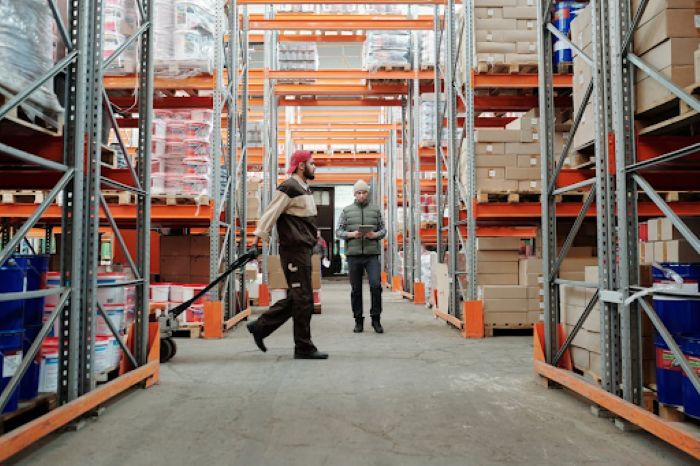
Modern logistics spaces handle massive inventory volumes every single day. Managing these items requires constant tracking to prevent costly errors and delays. Without proper visibility, packages easily get misplaced inside massive storage zones. Managers constantly seek better tracking tools to keep operations running smoothly. Real-time locating systems offer a modern way to supervise asset movements across large facilities. This technology provides the exact clarity required for rapid fulfillment.
Key Takeaways
- Modern logistics require constant tracking to avoid errors and delays, highlighting the need for real-time location systems.
- Traditional scanning methods are inefficient and lead to data gaps; advanced RTLS solutions provide continuous asset tracking and boost operational efficiency.
- Businesses must invest in automation to meet increasing demands and improve supply chain efficiency, with market growth projected at 24.8%.
- Real-time tracking enhances safety and navigation in warehouses by coordinating human and machinery movement effectively.
- Continuous tracking streamlines inventory audits, minimizing errors and improving stock visibility without halting operations.
Table of contents
Tracking Assets with Real-Time Locating Systems
Traditional scanning systems require workers to check barcodes manually at every single checkpoint. This tedious method leaves large gaps in tracking data during transit periods. Items frequently vanish from sight between the loading dock and the storage shelves.
Traditional barcode systems require a lot of manual labor. Deploying advanced industrial RTLS solutions gives team leaders immediate updates on inventory positions across the floor. This continuous tracking helps supervisors spot bottlenecks before they disrupt fulfillment schedules.
Teams save hours of searching time when inventory coordinates update automatically. Facility output increases when workers spend less time hunting for lost pallets. Eliminating these daily delays allows companies to handle higher order volumes with ease.
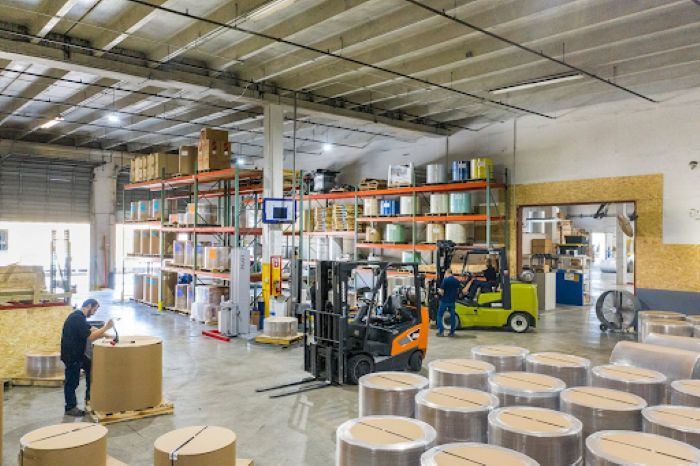
Boosting Supply Chain Efficiency
Warehouse networks must adapt to increasing delivery demands from global consumers. Automation helps facilities process shipments faster to meet tight delivery windows. Firms that lag face severe penalties from disappointed corporate clients.
A market study on industrial automation indicated that the supply chain management and automation segment will grow at 24.8%. This rapid expansion shows how heavily logistics firms rely on automated tracking tools to streamline their workflows.
Businesses invest heavily in tracking tools to stay competitive. Smarter operations help companies satisfy clients – a critical goal for any modern business. Embracing these tools provides a strong foundation for future corporate expansion.
Driving Revenue and Market Expansion
The adoption of Real-time locating systems infrastructure expands across multiple global sectors. New operational guidelines force firms to upgrade their legacy tracking hardware. Managers must modernize their facilities to stay compliant with changing corporate standards.
An industry projection estimated that global market revenue will hit between $7 billion and $14.9 billion. This surge stems from stricter asset tracking rules, artificial intelligence analytics, and lower tag costs. Companies utilize these financial savings to purchase better software interfaces.
Falling hardware prices make advanced sensors accessible to mid-sized businesses. Companies deploy these affordable tags to gather precise material data without overextending their annual budgets. Access to high-quality data protects small brands from operational errors.
Improving Warehouse Safety And Navigation
Forklifts and autonomous vehicles move constantly through crowded inventory aisles. Maintaining a secure environment requires smart coordination between humans and machinery. Supervisors must establish clear boundaries to prevent accidents on the main floor.
A report from an automation knowledge hub noted that real-time navigation and obstacle-avoidance features deliver significant labor savings, shorter travel times, and improved workplace safety. These protective features reduce the frequency of costly equipment repairs.
Managers use tracking data to design safer travel paths for heavy machinery. Let’s look at the primary safety benefits of smart tracking:
- Reduced risk of vehicle collisions in tight blind spots
- Faster emergency response times during facility incidents
- Clearer pathways for automated guided vehicles
Optimizing Equipment Utilization
Many facilities own more machinery than they actually need. Idle forklifts sit in remote corners, leaving other departments with severe equipment shortages. This imbalance hurts daily productivity and drives up maintenance costs.
Location data shows exactly how often each vehicle moves during a shift. Supervisors use these metrics to reallocate assets to high-traffic zones. Eliminating idle machinery allows companies to get the most value out of their investments.
Better utilization saves thousands of dollars in unnecessary rental costs. Companies maximize their existing fleet before spending capital on new equipment. These smart choices keep overhead low during periods of economic uncertainty.
Streamlining Inventory Audits
An annual inventory audit normally requires operations to halt completely for days. Workers manually count boxes, which leads to frequent human errors and lost revenue. These manual processes slow down delivery times for urgent customer orders.
Continuous tracking software provides live count updates every minute of the day. Managers view accurate stock numbers without stopping regular warehouse operations. This seamless method keeps the product flowing to clients without interruption.
Automated reporting replaces tedious spreadsheet logging for administrative staff. Digital logs minimize discrepancies between physical stock and warehouse management software. Clean data ensures that online storefronts never sell out-of-stock items.
Upgrading to real-time locating systems helps modern facilities overcome persistent logistics challenges. Clear visibility into asset movement protects firms from unexpected operational blind spots. Companies gain total control over their supply chain steps.
Smarter facilities consistently outperform competitors by reducing waste and accelerating shipping speeds. Adopting modern locating software positions logistics brands for long-term operational success. The future of logistics relies entirely on precise spatial intelligence.