For small and medium-sized enterprises managing international trade and shipment tracking, the reality is fragmented chaos. Emails pile up from suppliers in Asia. WhatsApp threads track quality control issues. Excel sheets attempt to consolidate freight quotes from multiple forwarders. Customs brokers send PDF documents via email. Tracking portals from different carriers each require separate logins.
The real cost of this fragmentation isn’t just operational inefficiency—it’s strategic blindness. When your supplier sourcing lives in one system, your freight tracking in another, and your customs documentation in a third, the critical question shifts from “where is my shipment?” to “what is happening, what is missing, what is at risk, and what decision must I make next?”
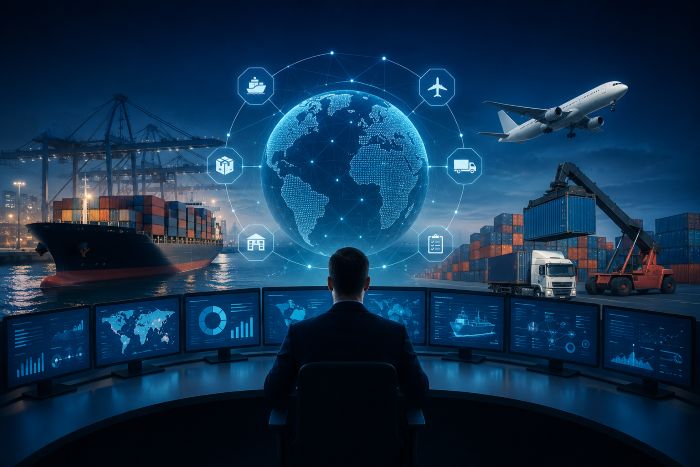
DocShipper’s newly launched client platform answers that question by transforming dispersed logistics operations into an integrated control tower for global trade.
Key Takeaways
- SMEs experience chaos in international trade due to fragmented systems for communication, tracking, and documentation.
- DocShipper’s platform centralizes these operations, turning fragmented logistics into a cohesive control tower for better decision-making.
- The platform enhances shipment tracking by providing real-time visibility on supplier readiness, quality control, and compliance documentation.
- Users benefit from faster decision-making, fewer missing documents, and improved customs readiness through centralized data.
- DocShipper combines digital infrastructure with human experts to resolve complex logistics challenges efficiently.
Table of contents
- The Hidden Cost of Fragmented Import-Export Operations
- Why Traditional Shipment Tracking Is No Longer Enough
- DocShipper’s Platform: One Environment from Supplier to Customs
- Human Support Still Matters in Digital Freight Forwarding
- What SMEs Gain from Centralizing Supply Chain Data
- The Future: AI, Dynamic Transit Estimates, and Automated Customs Duty Calculation
- Conclusion: From Reactive Logistics to Proactive Supply Chain Control
The Hidden Cost of Fragmented Import-Export Operations
Most SMEs and startups underestimate the operational tax they pay for managing international supply chains across disconnected tools. Consider the typical workflow:
- Supplier communication happens via email, WeChat, and WhatsApp
- Quality control reports arrive as PDF attachments
- Freight quotes are compared manually in spreadsheets
- Shipment tracking requires logging into 3-5 different carrier portals
- Customs documentation is scattered across email threads and local folders
- Cost visibility is reconstructed retroactively from invoices
The result? Delayed decisions, documentary errors, missed milestones, and zero consolidated visibility for management. When a shipment encounters a customs hold, the scramble to locate the right certificate of origin across email threads can add days to clearance time. When landed costs balloon beyond projections, the data to understand why is trapped across multiple systems.
This fragmentation isn’t just a technology problem—it’s a strategic vulnerability. An import-export operations platform that centralizes these workflows doesn’t just save time; it transforms reactive firefighting into proactive supply chain control.
Why Traditional Shipment Tracking Is No Longer Enough
Traditional freight forwarding offers shipment tracking as a value-add feature. Log into a portal, enter your booking number, see container location. This answers “where is my shipment?”—but that’s table stakes in 2026.
Modern import-export businesses need answers to much harder questions:
- “Is my supplier ready to ship?” — Procurement visibility before the container even loads
- “Are my documents compliant?” — Customs risk assessment before arrival
- “What is my true landed cost?” — Real-time duty calculations and total cost visibility
- “Where is my quality control report?” — Pre-shipment inspection integration
- “Which carrier offers the best transit time for this route?” — Data-driven freight selection
The difference between tracking and operational control is the difference between knowing location and knowing status, risk, cost, and next action. DocShipper’s platform spans the entire value chain—from supplier sourcing and quality control through freight forwarding and customs clearance—precisely because fragmented logistics requires integrated solutions.
DocShipper’s Platform: One Environment from Supplier to Customs
Supplier Sourcing and Procurement Visibility
The platform begins before the first container is booked. Supplier search, product compliance verification, sampling coordination, and negotiation all happen within a single interface. When your procurement team is sourcing from China, Vietnam, or Malaysia, supplier follow-up and compliance documentation are centralized rather than scattered across email threads.
Quality Control Before Shipment
Quality control isn’t a logistics afterthought—it’s a supply chain imperative. A defect discovered after customs clearance costs exponentially more than one caught at the factory. DocShipper’s platform integrates pre-shipment inspection reports directly into the shipping workflow, ensuring that quality issues trigger decisions before containers leave origin ports.
Freight Forwarding and Real-Time Shipment Tracking
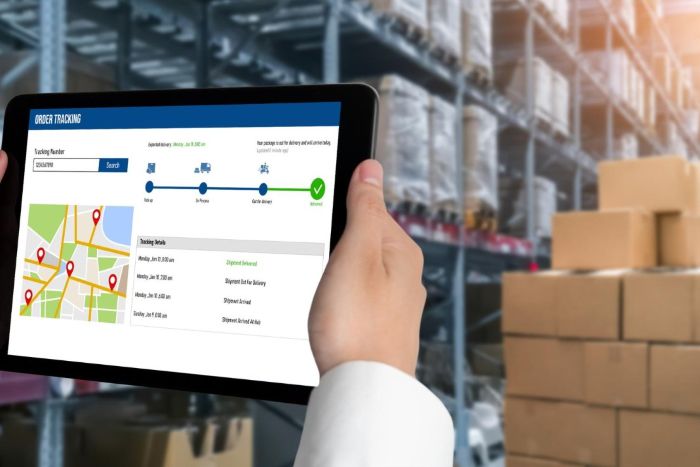
Ocean freight from Asia, air freight for urgent shipments, and multimodal combinations all track through a unified dashboard. Milestones, alerts, and estimated time of arrival (ETA) updates eliminate the need to log into separate carrier portals. Whether shipping via sea or express air, visibility remains consolidated.
Customs Documentation and Document Vault
Commercial invoices, packing lists, certificates of origin, bills of lading, and compliance documents live in a centralized document vault. When customs authorities request documentation, retrieval takes seconds instead of hours. For shipments to the EU, UK, or USA, regulatory compliance documentation is pre-validated against regional requirements.
Logistics Dashboard and Performance Reporting
Management visibility consolidates costs, transit times, supplier performance, and carrier reliability into executive dashboards. When evaluating whether to shift volume from one origin country to another or negotiating rates with carriers, the data to support decisions already exists within the platform.
Human Support Still Matters in Digital Freight Forwarding
Technology gives visibility; experts solve exceptions.
DocShipper’s model combines digital infrastructure with dedicated human support. When a shipment encounters a customs hold, a berthing delay, or a supplier production issue, platform users have access to multilingual freight forwarding experts who manage escalations and resolve issues. This hybrid model differentiates DocShipper from pure SaaS logistics platforms: the interface provides structure and visibility, but operational expertise ensures exceptions don’t become crises.
For businesses shipping to or from Morocco, Qatar, or emerging markets where regulatory complexity is high, having human experts in-market is non-negotiable.
What SMEs Gain from Centralizing Supply Chain Data
The benefits of an integrated platform for shipment tracking aren’t theoretical—they’re operational and measurable:
- Faster decision-making: When all data lives in one system, scenario analysis and freight mode comparison happen in minutes, not days
- Fewer missing documents: Centralized document vaults eliminate the scramble to locate certificates when customs clearance begins
- Better landed-cost visibility: Real-time duty calculations and freight cost tracking prevent budget overruns
- Easier supplier coordination: Procurement and logistics teams share a single source of truth for shipment readiness
- Improved customs readiness: Pre-validation of compliance documentation reduces clearance delays
- Consolidated reporting for management: Executive dashboards replace manual data compilation
The Future: AI, Dynamic Transit Estimates, and Automated Customs Duty Calculation
DocShipper’s roadmap includes AI-powered features currently in development: automated customs duty calculation based on HS code classification, dynamic transit time estimates using real-time port congestion data, and instant freight pricing based on historical rate patterns. These capabilities represent the evolution from reactive logistics to predictive supply chain intelligence.
Conclusion: From Reactive Logistics to Proactive Supply Chain Control
Fragmented import-export operations are a strategic liability disguised as an operational inconvenience. When supplier communication, quality control, freight forwarding, and customs clearance exist in disconnected silos, businesses react to problems instead of anticipating them.
DocShipper’s platform centralizes these workflows into a single control tower—not to replace freight forwarders, but to empower businesses to manage global trade with the visibility, control, and intelligence in shipment tracking that fragmented tools can never provide.