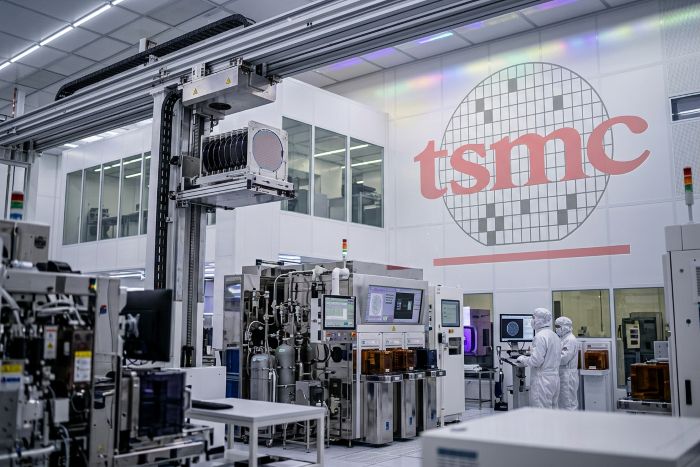
AI chip demand is up, and in a standout performance for the semiconductor sector, Taiwan Semiconductor Manufacturing Company delivered impressive first-quarter results because of this demand. The world’s largest contract chipmaker reported revenue of NT$1.134 trillion, about $35.7 billion, marking a 35 percent year-over-year increase and beating analyst expectations. This growth highlights how AI chip demand continues to reshape the global tech supply chain, with TSMC firmly at the center of the artificial intelligence boom.
Key Takeaways
- AI chip demand drives TSMC’s impressive revenue, reporting a 35% year-over-year increase.
- Strong sales stem from high-performance computing and increased orders from clients like Nvidia and Apple.
- TSMC plays a central role in the global tech ecosystem, with expansions to meet rising demand.
- While geopolitical risks exist, TSMC’s growth highlights robust demand for AI chips despite market fluctuations.
- Investors see promising signs in TSMC’s performance, emphasizing the importance of semiconductors for the digital economy.
Table of contents
Breaking Down the Strong Quarterly Numbers
TSMC posted record-setting sales for the January to March period, coming in at the high end of its earlier guidance. March revenue alone surged 45.2 percent year-over-year to NT$415.2 billion, providing a strong finish to the quarter. These figures come directly from the company’s preliminary report and demonstrate solid execution across its advanced process technologies.
The majority of this expansion came from high-performance computing applications. Customers aggressively sought capacity for next-generation chips used in data centers and AI infrastructure, driving uptake of 3-nanometer and more advanced nodes.
How Soaring AI Chip Demand Is Fueling TSMC Growth
AI chip demand has emerged as the primary force behind the semiconductor industry’s current momentum. Major clients including Nvidia, Apple, AMD, and Broadcom have significantly increased orders for sophisticated silicon designed to handle intensive parallel processing for large language models and cloud-based AI services.
This surge in AI chip demand has more than offset softer conditions in traditional consumer electronics segments. While smartphone and tablet markets have stabilized, investments in AI infrastructure have accelerated rapidly. Companies across industries are allocating substantial resources to build out their digital capabilities, creating sustained tailwinds for specialized chip production.
Reuters noted that unabated interest in artificial intelligence applications propelled the revenue jump, even amid geopolitical uncertainties. CNBC coverage similarly emphasized the resilience shown by AI chip demand despite external pressures.
TSMC’s Central Role in the Global Tech Ecosystem
TSMC serves as the preferred foundry for cutting-edge semiconductors, producing chips that power premium smartphones, massive AI training clusters, and a wide array of innovative devices. Its leadership in advanced process technology provides a competitive moat that is difficult for rivals to match in the near term.
The company is actively expanding its global manufacturing footprint with new fabrication facilities in the United States, Japan, and Europe. These investments aim to mitigate supply chain risks while satisfying growing customer needs. Capital expenditure plans for 2026 are estimated between $52 billion and $56 billion to support continued capacity increases.
Even with concerns around regional tensions, the latest results suggest that priority projects tied to AI chip demand have remained largely insulated. This performance underscores TSMC’s strategic importance in the worldwide technology supply chain.
Potential Challenges and Risks Ahead
Success at this scale brings challenges. TSMC must balance aggressive capacity expansion with disciplined cost management given the high capital requirements. Currency fluctuations between the Taiwan dollar and the U.S. dollar can also influence reported results and investor sentiment.
Geopolitical factors remain a constant backdrop. However, the strong first-quarter numbers indicate that core drivers linked to AI chip demand have held firm so far. Investors will receive more details on margins and updated guidance during the earnings conference call scheduled for April 16.
Analysts will closely review these updates to assess whether current momentum can extend through the rest of 2026. Early signals remain positive, though the industry stays sensitive to shifts in hyperscaler spending or macroeconomic changes.
Broader Implications for Investors and the Tech Industry
For investors, the results provide a reassuring signal about the health of the AI supply chain. TSMC shares rose more than 2 percent in pre-market trading following the announcement, reflecting confidence in sustained AI chip demand. The company’s consistent growth in a complex environment highlights its foundational role in enabling technological progress.
On a broader scale, this performance shows how semiconductors have become essential infrastructure for the digital economy. Advancements in autonomous systems, scientific research, personalized computing, and many other fields increasingly depend on powerful and efficient chips. TSMC’s trajectory suggests the current wave of AI investment still has significant runway.
Emerging opportunities in edge AI, advanced 5G networks, and automotive intelligence could further diversify the demand base in coming quarters. These areas may help moderate cyclical fluctuations while supporting long-term expansion.
Many observers expect the AI-driven upcycle to persist. TSMC has projected strong annual performance, and the latest data aligns with those expectations. The upcoming earnings release should offer additional clarity on second-quarter outlooks and longer-term capital allocation plans.
In summary, TSMC revenue surges 35% driven by soaring AI chip demand once again, reinforcing the company’s pivotal position at the heart of the global technology revolution. As artificial intelligence adoption accelerates across industries, TSMC’s record quarter stands as both a major milestone and a promising preview of future potential. Stakeholders in semiconductors and the wider AI ecosystem will continue monitoring developments to gauge the pace and durability of this impressive growth phase.