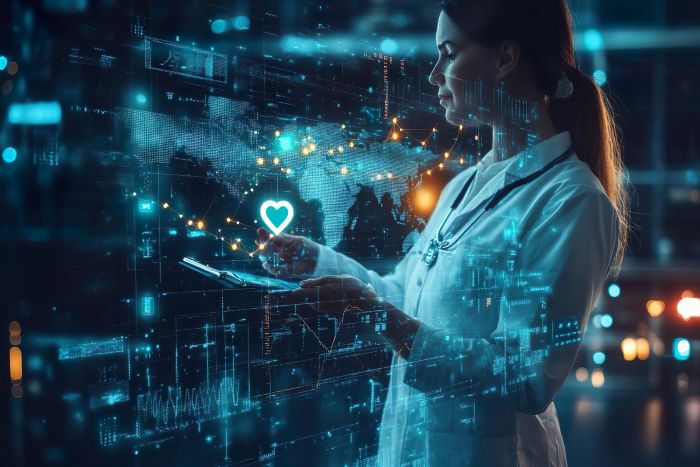
Modern tools make it much easier for people to manage chronic health conditions from the comfort of home. Smart devices help individuals maintain their independence and stay in close contact with medical teams. This support provides a safety net for those living with daily physical challenges.
New systems change how patients track their symptoms and share data with their families. Constant monitoring leads to fewer emergency room visits and more confidence for everyone involved. These digital solutions are turning difficult health journeys into manageable parts of daily life.
Key Takeaways
- Modern tools enable better management of chronic health conditions at home, enhancing independence and support.
- Emergency response systems provide quick access to help, improving safety for seniors with limited mobility.
- Automation in healthcare streamlines tasks, allowing professionals to focus more on patient care and reducing human error.
- Digital platforms facilitate real-time health data sharing with clinics, leading to fewer hospital visits and better outcomes.
- The rise of telehealth offers greater access to specialists for patients, allowing them to manage their health from home.
Table of contents
Connecting With Help Quickly for Health Conditions
Staying safe at home is a top priority for people living with limited mobility. A modern emergency response system provides a direct link to professional help with the press of a single button. This layer of protection allows seniors to maintain their daily routines without constant supervision.
Family members often feel better knowing their loved ones have immediate access to assistance. Modern devices are lightweight and easy to wear throughout the day or night.
The right equipment can detect falls automatically and alert responders without any action from the user. Reliability is the most critical factor when choosing these safety tools for the home.
Automating Care Tasks
Healthcare systems are looking for ways to handle more patients with fewer staff members. A 2024 report by a major electronics company found that 92% of medical leaders see automation as a way to fix staffing shortages. Removing repetitive tasks allows nurses and doctors to spend more time with their patients.
Patients benefit when their records and appointments are handled by smart software. Reducing human error in paperwork leads to faster treatment times and better outcomes.
Automated reminders help individuals remember to take their medication on time. This technology keeps everyone on the same page regarding care plans and daily requirements.
Reducing Hospital Visits
Digital platforms now allow patients to share health data with clinics in real time. A recent case study on a patient platform showed that readmission rates dropped by 30% for those using the system. Keeping people out of the hospital saves money and reduces the risk of infections.
These apps track vital signs and alert doctors if something looks wrong. Catching a problem early often prevents a minor issue from becoming a medical crisis.
Doctors can adjust treatments without requiring an in-person visit for the patient. This convenience is a major benefit for people with mobility challenges or limited transportation options.
Improving Medical Diagnosis
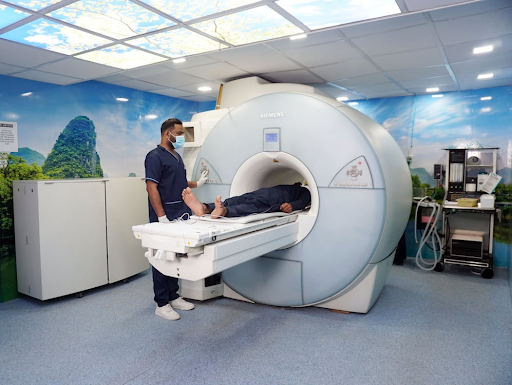
Finding an illness early is the best way to get a positive outcome. Research suggests that the market for artificial intelligence in medical diagnostics will grow by 22% each year through 2030. Smart algorithms can scan medical images much faster than a human could alone.
Radiologists use these tools to spot tiny details they might otherwise miss. Faster results mean patients can start their recovery process sooner rather than later.
AI technology is becoming a standard part of modern laboratory testing. It helps professionals categorize complex data with high precision for every patient.
Wearable Health Sensors
Small gadgets that people wear on their wrists or clothing are changing the medical world. Recent articles describe new contributions like wearable biosensors and interoperable cloud systems. These devices gather data without getting in the way of daily activities or exercise.
Information from these sensors goes straight to a secure digital profile for the doctor. This allows for a more complete picture of a person’s health.
Future developments might include 3D bioprinting for customized medical implants or organs. Science is moving quickly to provide solutions that were once impossible for patients.
The Rise of Virtual Care for Chronic Health Conditions
Many people now prefer to see their doctor through a video screen instead of traveling to an office. A digital health survey revealed that 58% of Americans used some form of virtual care in 2024. This shift makes it much easier for those in rural areas to get specialized help.
Insurance companies are catching up by covering more telehealth services for their members. Patients can get prescriptions and advice without leaving their living rooms.
Virtual visits save time for both the patient and the provider. It is an efficient way to handle routine check-ups and follow-up care for chronic conditions.
Monitoring Heart Health
Smartwatches are now powerful enough to act as medical monitors for some users. A study of 400,000 people found that a popular consumer watch could detect irregular heart rhythms effectively. This capability gives users a heads-up to seek medical advice before symptoms worsen.
Many devices offer a range of tracking features for daily wellness and safety:
- Step counts and daily activity goals
- Sleep quality and duration metrics
- Blood oxygen level readings
These features help people understand how their lifestyle choices affect their bodies. Seeing progress on a screen motivates many individuals to stay active and healthy.
Advanced sensors can even alert family members if a user experiences a sudden spike in heart rate. This technology bridges the gap between consumer tech and professional medicine.
Investing in Home Healthcare
The demand for digital medicine is rising every year. One industry report predicts the global telehealth market will reach $175.5 billion by 2026. This growth shows that people prefer managing their recovery from the comfort of their own homes.
High costs for hospital stays drive the shift toward remote services. Digital tools provide a cheaper way to get high-quality care without the need for travel.
Access to specialized doctors is no longer limited by where a person lives. A patient in a small town can speak with a top expert in a city hundreds of miles away. This connection levels the playing field for everyone seeking the best possible treatment.
Modern tools provide more control over health outcomes than ever before. People with chronic conditions can live more active lives with the support of these digital aids. This technology bridges the gap between consumer products and professional medical treatment.
As technology for health conditions improves, the focus remains on keeping patients safe and comfortable. These changes make the future of healthcare look much brighter for everyone involved. Living with a health condition is easier when the right support is just a click away.