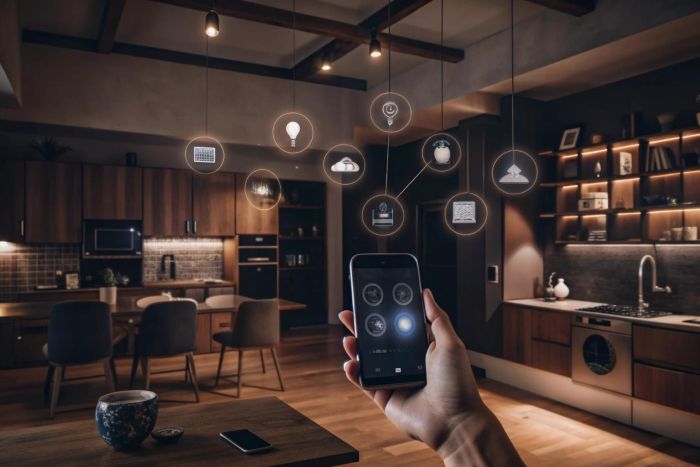
Smart home appliances have subtly permeated daily life. You can check who is at the door from a different city, switch off the lights without getting from the couch, or turn on the heating before you even go home. Everything feels really contemporary and cozy. But in the middle of all that convenience, it’s legitimate to wonder if having so many devices connected to your house makes it truly safe. There is more to the response than just a yes or no. Although smart home systems might be quite safe, they can also have serious vulnerabilities. It primarily depends on how they are configured and the owner’s level of security awareness.
Key Takeaways
- Smart home appliances offer convenience but raise security concerns that depend on configuration and user awareness.
- Common vulnerabilities include unchanged default passwords, outdated software, and weak home Wi-Fi security.
- Data protection in smart home apps varies; reading privacy policies is crucial before trusting them with personal information.
- Users can enhance security by changing default passwords, keeping devices updated, and setting up a separate Wi-Fi network for smart devices.
- Smart home systems aren’t inherently dangerous; attention to setup and maintenance can ensure both comfort and safety.
Table of contents
What Makes Smart Home Systems a Target for Hackers
A connected home is convenient for you, but it is also convenient for people who want to get in without an invitation. Every device that runs on your internet connection is a point of entry. Most people do not think about this when they are unboxing a new smart speaker or installing a video doorbell. People who are moving to a new area, for example, settling into a home with the help of Greenwich CT Movers, often focus on setting everything up as fast as possible. Movers bring the boxes in, furniture finds its place, and smart devices go online without much thought about security. That is a very natural thing to do, but skipping the security setup at the beginning tends to create problems down the road. A device connected to a poorly protected network is much easier to reach from the outside than most people realize.
The Most Common Security Risks in Connected Devices
The most frequent problem is not some advanced hacking technique. It is much simpler than that. Many people never change the default password on their devices. Manufacturers set the same basic login details for thousands of devices, and those details are often easy to find online.
Another common issue is outdated software. Smart devices need regular updates just like your phone or computer does. When updates are ignored, old security problems stay open and unprotected.
Weak home Wi-Fi is also a factor. If your main network is not secured well, anyone nearby might be able to get on it. And once they are on your network, your smart devices are much easier to reach.
How Strong Is the Data Protection in Smart Home Apps
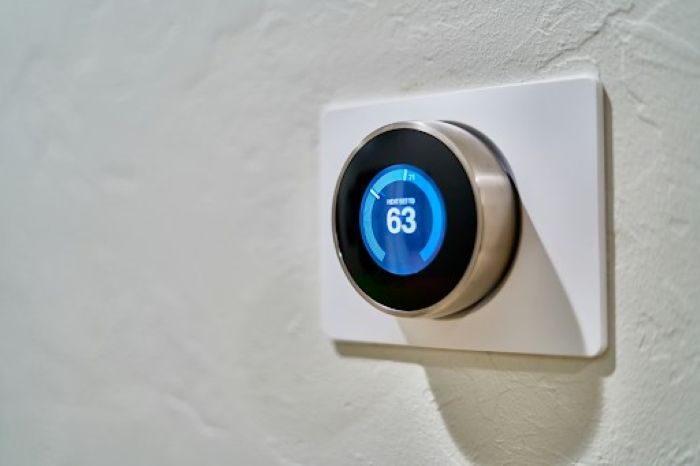
Most smart home devices work together with an app on your phone. That app often collects information about you, your daily routine, your location, and your habits. This data is stored somewhere on company servers, and that raises a fair question about who can see it and how well it is protected.
Some companies are very careful about user data and use strong encryption. Others are less transparent. Before you trust an app with information about your home and your life, it is worth reading what their privacy policy actually says. It is not the most exciting reading, but it matters.
Simple Steps You Can Take to Protect Your Smart Home
The good news is that basic protection does not require technical knowledge. Here are the key steps to get started:
- Change the default passwords on all your devices, using something unique for each one, and make sure your Wi-Fi network has a strong password too.
- Keep your devices updated by installing new software versions as soon as they become available.
- To keep your primary gadgets safe and apart, set up a separate Wi-Fi network specifically for your smart home appliances (many routers provide this).
A Balanced Approach to Smart Home System and Security
It helps to think of smart home technology the same way you think about locking your front door. The tools themselves are not risky, but how you use them matters. With a bit of awareness and a few consistent habits, the convenience of connected living does not have to come at the expense of safety. Instead of avoiding smart devices altogether, the smarter move is to use them intentionally, keeping both comfort and security in mind as part of the same experience.
Bottom Line
Smart home systems are not dangerous by nature, but they do ask something from you. A little attention during setup and some basic habits along the way make a big difference. The technology itself is not the problem. Ignoring the small things is. Take care of those, and your connected home can be both comfortable and safe.