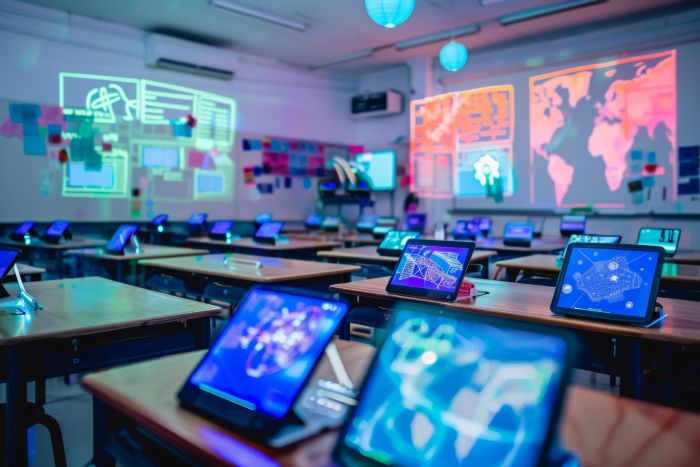
Education is undergoing a seismic technological shift. The traditional classroom — where the teacher was the sole keeper of knowledge — has been disrupted by artificial intelligence, adaptive learning platforms, and a wave of EdTech innovation that shows no signs of slowing down. For 21st century educators, this is no longer optional territory.
Fluency with AI tools, learning management systems, and data-driven instruction has become as fundamental as curriculum design. This guide breaks down the essential 21st-century skills teachers need, with a sharp focus on the technologies reshaping how learning happens.
Table of contents
Why Technology Literacy Is Now Non-Negotiable for 21st Century Educators
Digital transformation has hit every sector — and education is no exception. The COVID-19 pandemic accelerated EdTech adoption by nearly a decade, and what emerged is a new baseline: teachers are now expected to be both pedagogical experts and technology-fluent practitioners.
The numbers tell the story. The global EdTech market is projected to surpass $400 billion by 2028. AI tutoring tools, automated grading systems, and immersive AR/VR learning environments are no longer experimental — they are being deployed in classrooms worldwide. Educators who lack the skills to leverage these tools risk falling behind, both professionally and in their ability to serve students effectively.
The Changing Role of the Teacher in a Tech-Driven Classroom
1. From Lecturer to Learning Engineer
The era of passive instruction is over. Teachers are now learning engineers — designing AI-augmented experiences that adapt to each student’s needs in real time. Platforms like Khan Academy’s Khanmigo (powered by GPT-4), Carnegie Learning, and DreamBox use machine learning to analyze student performance data and serve personalized content pathways automatically.
The teacher’s role is to configure, monitor, and intervene where the algorithm cannot: at the human level. This requires understanding how adaptive learning systems make decisions and where their limitations lie.
2. Guides Through the AI Landscape
Students are already using AI tools — often without guidance. ChatGPT, Gemini, and Copilot are being used for essay drafts, problem-solving, and research. The 21st century educators must be capable of teaching AI literacy: how to prompt effectively, how to evaluate AI-generated content critically, and how to use these tools ethically.
This means educators must themselves be proficient users of generative AI. Running experiments with tools like Claude, ChatGPT, or Perplexity AI is no longer just recommended — it is part of the job.
3. Data Interpreters and Learning Analysts
Modern LMS platforms — Google Classroom, Canvas, Schoology, Blackboard — generate rich datasets about student engagement, performance trends, and learning gaps. Teachers are increasingly expected to interpret this data and adjust instruction accordingly.
AI-powered analytics dashboards now surface insights that previously required manual tracking: which students are at risk of falling behind, which lesson formats drive the highest engagement, and where the class needs re-teaching. Educators who can read and act on this data operate at a significant advantage.
Core Technology Skills All 21st Century Educators Needs
To fulfil your new roles effectively, you need a diverse skill set. Here are some essential skills to help you succeed in the 21st century.
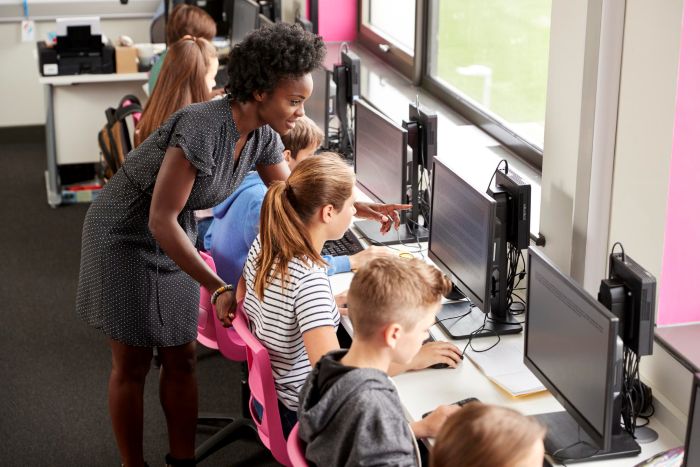
1. AI & Generative Tool Proficiency
Generative AI is reshaping lesson planning, differentiation, and assessment. Teachers should be able to:
- Use AI writing assistants (ChatGPT, Claude, Gemini) to draft lesson plans, rubrics, and differentiated materials
- Deploy AI tutoring tools like Khanmigo or Synthesis Tutor for personalized student support
- Leverage AI image and video generators (Adobe Firefly, Synthesia) for multimedia content creation
- Understand the basics of how large language models work — including their limitations and biases
The goal is not to replace the judgment of 21st century educators with AI output, but to dramatically reduce administrative load and free educators for high-value human interaction.
2. EdTech Platform Mastery
A modern educator’s tech stack typically includes several categories of tools:
- Learning Management Systems (LMS): Google Classroom, Extramarks, Canvas, Schoology — for content delivery and assignment management
- Formative Assessment Tools: Kahoot!, Nearpod, Pear Deck, Mentimeter — for real-time comprehension checks
- Collaboration Platforms: Microsoft Teams for Education, Padlet, Miro — for project-based and collaborative learning
- Adaptive Learning Platforms: DreamBox, IXL, Duolingo for Schools — AI-driven personalized practice
- Video & Async Learning: Edpuzzle, Loom, Flip — for flipped classroom models and asynchronous instruction
Proficiency means more than knowing how to log in. It means configuring these tools to serve specific learning objectives and integrating them into a coherent instructional workflow.
3. Digital Content Creation
Teachers are now content creators. The ability to produce engaging digital materials — explainer videos, interactive slides, infographics, and micro-courses — is increasingly expected. Key tools include:
- Canva for Education: drag-and-drop design for presentations, worksheets, and visual content
- Google Slides + Nearpod integration: for interactive, trackable presentations
- Screencast-O-Matic or Loom: for recorded instructional videos
- H5P: for building interactive HTML5 content embedded in any LMS
4. Data Literacy and Learning Analytics
The ability for 21st century educators to interpret student performance data is now a core teaching competency. Teachers should be comfortable with:
- Reading LMS analytics dashboards to identify engagement and completion trends
- Using early-warning systems built into platforms like Schoology or Canvas to flag at-risk students
- Applying basic spreadsheet analysis (Google Sheets, Excel) to track class-wide learning outcomes
- Understanding A/B testing logic — trying two instructional approaches and comparing results
5. Cybersecurity and Digital Ethics
As classrooms go digital, teachers are the first line of defense for student data privacy. Essential knowledge includes:
- FERPA compliance and what student data can and cannot be shared with EdTech vendors
- Evaluating EdTech tools for privacy-by-design principles before adoption
- Teaching students about digital footprints, data privacy, and responsible AI use
- Recognizing phishing, misinformation, and AI-generated disinformation — and modelling critical evaluation
Conclusion
The 21st century educators is no longer just a subject matter expert — they are a technology strategist, a data interpreter, and an AI-literate practitioner. The schools and systems that will thrive are those that equip educators not just with devices and subscriptions, but with deep fluency in how these tools work and how to deploy them purposefully.
Investing in your technical skill set is not a departure from the art of teaching. It is an amplification of it. The educators who embrace this reality will not only remain relevant — they will define what exceptional teaching looks like in the decades ahead.