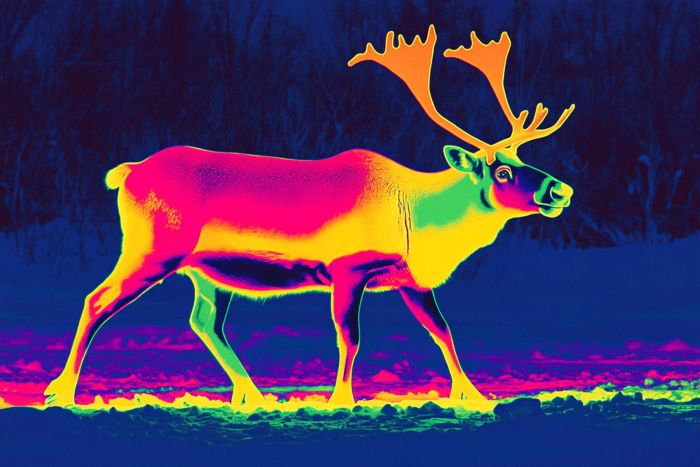
Observing animals at night is difficult with human eyes or regular cameras, but a thermal imager detects heat instead of visible light, revealing warm-blooded animals against cooler backgrounds and allowing you to spot wildlife, livestock, or nocturnal creatures in darkness, dense foliage, or open fields for observation, hunting, or property monitoring without extra lighting. This makes thermal animal detection highly effective in low-visibility conditions.
Key Takeaways
- Thermal animal detection allows for identifying warm-blooded animals at night by capturing their heat signatures.
- Thermal cameras can spot large, medium, and some smaller animals, improving wildlife monitoring and hunting.
- Detection distance depends on sensor resolution, environmental conditions, and proximity to the target.
- These cameras are widely used in wildlife observation, hunting, farming, and property protection.
- Various factors, such as camera sensitivity and obstructions, influence the effectiveness of thermal animal detection.
Table of contents
Can Thermal Cameras Really Detect Animals at Night?
Yes, thermal cameras can detect animals at night by capturing their body heat. This process is the foundation of thermal animal detection. All warm-blooded animals emit infrared radiation, which a thermal camera converts into a visible thermal image. Bright or contrasting patterns on the display indicate the presence of animals, even when they are hidden in shadows or behind vegetation.
What Types of Animals Can Thermal Cameras Detect?
Large Animals
Deer, wild boar, elk, and livestock such as cows and horses are easily spotted because their strong body heat creates a clear contrast with cooler surroundings. Using a thermal imager, these animals can be detected even in complete darkness, across open fields, or when partially hidden by vegetation.
Medium Animals
Foxes, raccoons, dogs, and similar-sized wildlife emit enough heat to be reliably detected. A thermal imager allows you to track their movements at night without disturbing them, making it useful for wildlife monitoring, hunting, and property protection.
Smaller Animals
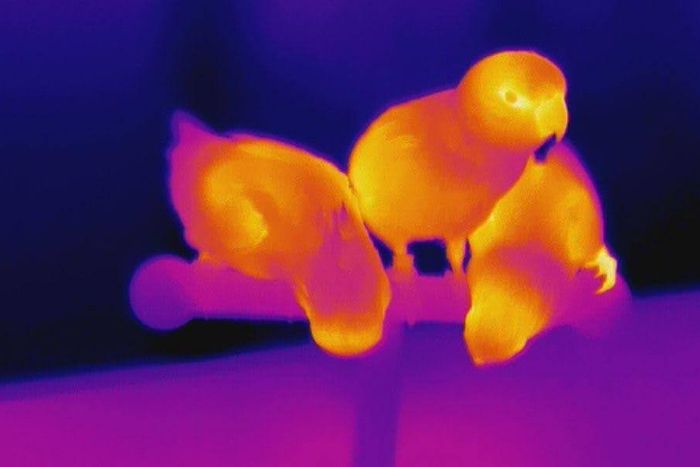
Rabbits, squirrels, and other small mammals can sometimes be detected with a high-resolution thermal imager, though their smaller size and lower heat emission may reduce visibility, especially at longer distances. Advanced thermal imagers with high sensitivity can improve the detection of these animals.
Farm and Domestic Animals
Goats, sheep, and cats can also be detected using a thermal imager, which helps monitor livestock or pets during nighttime or low-visibility conditions.
Nocturnal Wildlife
Animals such as hedgehogs, opossums, and owls can be tracked at night using a thermal imager, allowing researchers and enthusiasts to observe natural behaviors without disturbing the animals.
How Far Can a Thermal Camera Detect Animals?
Detection distance varies based on several factors:
- Sensor resolution and lens: Higher-resolution thermal imagers with long-range lenses can detect animals at greater distances.
- Environmental conditions: Fog, rain, or high ambient temperatures can reduce detection range.
- Spotting vs. identification: While a thermal camera may detect heat signatures from hundreds of meters away, identifying the type of animal usually requires closer proximity.
Understanding these factors ensures more accurate animal detection and improves safety during nighttime observation or hunting.
Where Are Thermal Cameras Used for Animal Detection?
Thermal cameras, detect the heat emitted by animals, allowing you to monitor wildlife or livestock at night without visible light. They are widely used for research, hunting, farming, and property protection.
- Wildlife observation and research: Scientists and nature enthusiasts use thermal imagers to monitor nocturnal animal behavior without disturbing the animals.
- Hunting and outdoor exploration: Hunters rely on thermal cameras to spot game in low-light conditions, improving both efficiency and safety.
- Farm and livestock monitoring: Farmers can track animals, identify strays, or detect injured livestock at night without walking through the fields with flashlights.
- Security and property protection: Thermal cameras help detect intruding animals on properties, preventing damage to crops or livestock, and assisting in perimeter security.
What Factors Affect Animal Detection with Thermal Cameras?
Several factors determine the effectiveness of a thermal camera:
- Camera resolution and thermal sensitivity: Higher sensitivity allows the detection of smaller or more distant animals.
- Distance from the target: Detection range decreases as the animal moves further away.
- Obstructions: Vegetation, hills, or fences can block or partially obscure thermal signatures.
- Ambient temperature: Extreme heat or cold can affect contrast between the animal and background, influencing visibility.
Choosing a thermal imager with appropriate specifications and understanding environmental limitations ensures optimal detection performance.
Summary
A thermal camera is an effective tool for detecting animals at night, offering a clear advantage over standard cameras and night vision devices. Capturing heat signatures, it allows you to spot wildlife or monitor livestock in complete darkness, through foliage, or across open fields.
Selecting the right thermal imager, considering resolution, lens, and sensitivity, along with proper usage, ensures accurate detection and identification of animals at night. Whether for wildlife research, hunting, farming, or security, thermal cameras provide a reliable and non-intrusive solution for nocturnal observation. Overall, thermal animal detection offers a clear advantage in nighttime environments.