Artificial intelligence is rapidly transforming modern workplaces, streamlining operations, automating repetitive tasks, and unlocking new levels of efficiency. From predictive analytics to intelligent automation, AI is reshaping how businesses operate. However, while organizations invest heavily in advanced technologies, many overlook a critical component that determines long-term success: emotional intelligence. Without it, even the most sophisticated AI systems can fall short in creating truly effective, human-centered workplaces.
To bridge this gap, companies are increasingly turning to programs like de-escalation training workshops for organizations that strengthen employees’ emotional awareness and interpersonal skills. These initiatives help teams navigate high-pressure situations, manage conflict, and communicate effectively skills that AI simply cannot replicate. As automation becomes more prevalent, the ability to understand and respond to human emotions is emerging as a key competitive advantage.
Key Takeaways
- AI is revolutionizing workplaces, but it lacks emotional intelligence, which is essential for human-centered interactions.
- Emotional intelligence involves skills like self-awareness, empathy, and social skills, which improve workplace dynamics.
- Organizations must integrate emotional intelligence into AI strategies to enhance collaboration and communication.
- Ignoring emotional intelligence can lead to disengaged employees and ineffective AI implementations.
- Successful organizations will blend AI capabilities with emotional intelligence to foster innovation and strong relationships.
Table of contents
- The Rise of AI and Its Limitations
- What Is Emotional Intelligence?
- Why Emotional Intelligence Matters More in AI-Driven Environments
- The Risk of Ignoring Emotional Intelligence
- Integrating Emotional Intelligence into AI Strategies
- The Future of Human-Centered Workplaces: A Blend of Technology and Humanity
The Rise of AI and Its Limitations
AI excels at processing data, identifying patterns, and performing tasks with speed and precision. It can analyze customer behavior, optimize workflows, and even assist in decision-making. However, AI lacks the ability to genuinely understand human emotions, social dynamics, and nuanced communication.
For example, while AI-powered chatbots can handle customer inquiries, they often struggle with complex emotional situations. A frustrated customer doesn’t just need a correct answer they need empathy and reassurance. This is where emotional intelligence becomes essential.
What Is Emotional Intelligence?
Emotional intelligence refers to the ability to recognize, understand, and manage one’s own emotions, as well as the emotions of others. It includes skills such as:
- Self-awareness
- Self-regulation
- Empathy
- Social skills
- Motivation
In the workplace, these abilities help employees build stronger relationships, collaborate effectively, and respond thoughtfully to challenges.
Why Emotional Intelligence Matters More in AI-Driven Environments
As AI takes over routine tasks, human roles are shifting toward more complex, interpersonal, and strategic responsibilities. This makes emotional intelligence more important than ever.
1. Enhancing Human-AI Collaboration
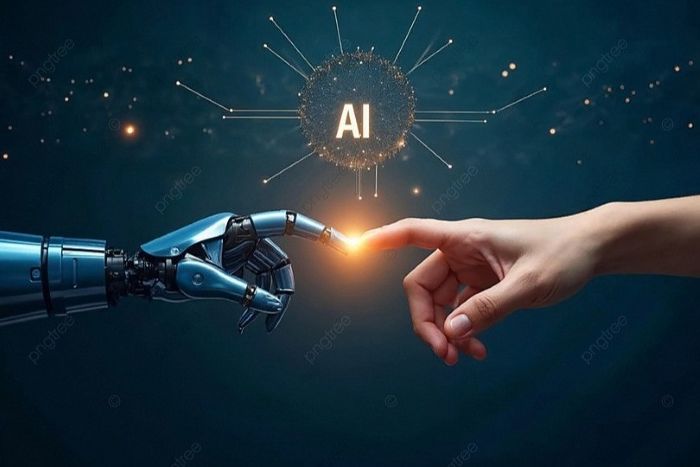
AI tools are designed to support human decision-making, not replace it entirely. Employees with high emotional intelligence can better interpret AI insights, communicate findings, and make balanced decisions that consider both data and human impact.
2. Improving Communication
AI can generate information, but it cannot ensure that messages are delivered with clarity, empathy, and context. emotional intelligence helps employees communicate effectively with colleagues, clients, and stakeholders.
3. Managing Workplace Stress
AI-driven workplaces often operate at a faster pace, which can increase stress and burnout. Emotional intelligence enables individuals to manage pressure, remain resilient, and support their peers.
4. Resolving Conflict
As teams become more diverse and distributed, misunderstandings are inevitable. Emotional intelligence allows employees to navigate disagreements constructively and maintain positive working relationships.
5. Building Trust
Trust is the foundation of any successful organization. While AI can provide data-driven insights, trust is built through human connection, empathy, and authenticity—qualities rooted in emotional intelligence.
The Risk of Ignoring Emotional Intelligence
Organizations that focus solely on technology risk creating environments that feel impersonal and disconnected. Employees may feel undervalued, communication can break down, and collaboration may suffer. Over time, this can lead to decreased engagement, higher turnover, and reduced productivity.
Moreover, without emotional intelligence, AI implementations can backfire. For example, decisions made purely on data without considering human impact can damage relationships with customers and employees alike.
Integrating Emotional Intelligence into AI Strategies
To fully realize the benefits of AI, organizations must integrate emotional intelligence into their strategies. This involves:
- Training and Development: Offering programs that build empathy, communication, and conflict resolution skills.
- Leadership Modeling: Encouraging leaders to demonstrate emotional intelligence in their daily interactions.
- Human-Centered Design: Ensuring AI tools are implemented with a focus on user experience and human needs.
- Feedback Culture: Promoting open communication and continuous improvement.
By combining AI capabilities with emotional intelligence, organizations can create more balanced and effective workplaces.
The Future of Human-Centered Workplaces: A Blend of Technology and Humanity
The future of human-centered workplaces is not about choosing between AI and emotional intelligence—it’s about integrating both. AI provides the tools to enhance efficiency and innovation, while emotional intelligence ensures that these tools are used in a way that benefits people.
As automation continues to evolve, the most successful organizations will be those that recognize the importance of human skills. Emotional intelligence will not just complement AI it will amplify its impact.
Emotional intelligence is the missing layer in many AI-driven workplaces. While technology can transform processes, it cannot replace the human ability to connect, empathize, and understand. Organizations that invest in emotional intelligence alongside AI will be better equipped to navigate complexity, foster collaboration, and build stronger relationships.
In a world increasingly shaped by machines, it is our human skills that will define true success.