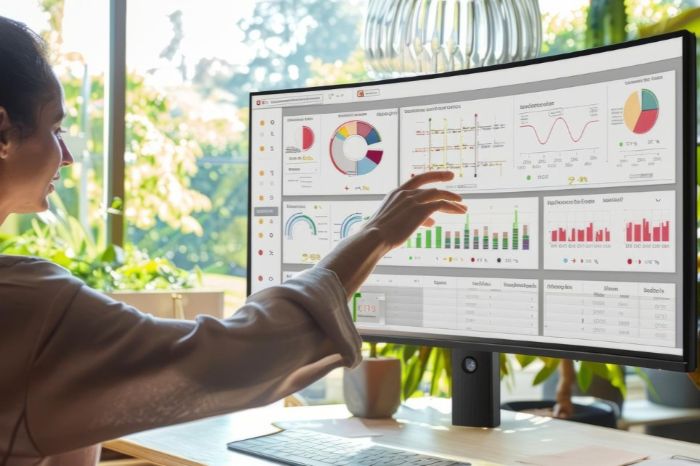
Organizations are juggling multiple projects, programs, and strategic initiatives simultaneously. Without clear oversight, teams often struggle to align their efforts with business objectives, resulting in delayed deliverables, resource conflicts, and missed opportunities. This is where portfolio-level visibility comes into play. By providing a consolidated view of all projects, resources, and performance metrics, enterprises can improve decision-making, optimize resources, and ensure strategic alignment across the organization. In this article, we explore how visibility at the portfolio level is transforming enterprise execution and driving measurable outcomes.
What Is Portfolio-Level Visibility?
Portfolio-level visibility refers to the ability of organizations to monitor all ongoing and planned initiatives in real time. Unlike isolated project dashboards, it provides a holistic view across the enterprise, including:
- Project timelines and milestones
- Resource allocation and availability
- Budget tracking and financial performance
- Risk identification and mitigation
- Dependencies across projects and programs
With this level of insight, business leaders can make data-driven decisions, ensuring the right initiatives are prioritized and resources are allocated efficiently.
Challenges in Traditional Enterprise Execution
Many organizations still rely on siloed tools, spreadsheets, and inconsistent reporting methods. This creates challenges such as:
- Fragmented information: Teams lack a single source of truth, leading to misaligned priorities.
- Delayed decision-making: Leadership only sees project outcomes when it’s too late to intervene.
- Resource bottlenecks: Teams may be overloaded while other resources remain underutilized.
- Strategic misalignment: Projects may drift from business objectives, wasting time and budget.
These gaps often result in reactive execution rather than proactive strategic management.
Benefits of Real-Time Portfolio Visibility
Enhanced visibility directly improves enterprise execution through several key mechanisms:
1. Strategic Alignment
Organizations can ensure projects align with high-level business goals. Dashboards and role-based reporting provide executives and PMOs with insights into progress, dependencies, and outcomes.
2. Smarter Prioritization
Portfolio-level data enables scenario modeling and scoring methods to select initiatives with the highest strategic impact. Teams can quickly adjust priorities in response to changing market conditions or resource availability.
3. Resource Optimization
Visibility into resource demand and capacity prevents over-allocation, reduces burnout, and improves overall efficiency. Managers can shift resources dynamically to where they are most needed.
4. Faster Decision-Making
By centralizing project, financial, and operational data, enterprises reduce delays caused by manual reporting or miscommunication. Decisions become evidence-based rather than reactive.
How Technology Enables Enterprise-Level Visibility
Modern enterprises leverage project portfolio management platforms to achieve these benefits. These platforms centralize data from multiple teams and provide role-based dashboards for PMOs, executives, and team leads.
To support these capabilities, organizations often adopt project portfolio management software that consolidates project, resource, and financial data into a single source of truth. Key features include:
- Interactive dashboards with KPIs and performance metrics
- Scenario modeling and “what-if” analysis for strategic planning
- Risk assessment tools and dependency mapping
- Integration with ERP, CRM, and agile development platforms
By combining technology with a structured portfolio management approach, enterprises can turn raw data into actionable insights.
People and Process Advantages
Portfolio-level visibility impacts more than just technology; it changes how people work and decisions are made:
- Enhanced Collaboration: Cross-functional teams share the same data, reducing miscommunication.
- Agile Governance: Enables faster approvals without creating bureaucratic bottlenecks.
- Early Risk Detection: Dependencies and potential project risks are visible before they escalate.
- Continuous Improvement: Historical insights guide better planning for future projects.
Enterprises that embrace these practices often see higher project success rates, improved employee satisfaction, and faster execution of strategic initiatives.

Best Practices for Implementation
To fully capitalize on portfolio-level visibility, organizations should follow these practices:
- Standardize Data Across Teams: Ensure consistent definitions and metrics to create a reliable enterprise-wide view.
- Implement Role-Based Dashboards: Customize dashboards for executives, PMOs, and team leads to provide relevant insights.
- Balance Governance and Agility: Use visibility to enforce accountability without slowing execution.
- Invest in Change Management: Train teams to use the platform effectively and incorporate visibility into daily workflows.
- Leverage Analytics for Continuous Improvement: Analyze past performance to refine processes and enhance future execution.
Conclusion
Portfolio-level visibility transforms enterprise execution by connecting strategy to action. Organizations that embrace a unified, real-time view of projects and resources achieve better alignment, optimized resources, faster decision-making, and measurable results.
Investing in modern project portfolio management software allows enterprises to move beyond reactive management and execute strategically, ensuring initiatives deliver maximum business value.