TikTok has quietly stepped into a role no one expected it to hold, even five years ago. It began as a place for dance challenges, comedic skits, and snack-sized trends that disappeared almost as fast as they appeared. What emerged instead is a platform that feels like a hybrid between a digital library and a global town square where people search, learn, experiment, and share knowledge in ways that feel personal and intuitive. The next generation isn’t typing long questions into traditional search bars as often anymore. They are opening TikTok and expecting search engine answers to show up in video form, narrated by someone who looks like them, speaks like them, and gets what they’re curious about.
TikTok didn’t plan or intend to replace traditional search engines but simply built an environment where curiosity and entertainment coexist. This resulted in a discovery-driven platform that feels more like a living encyclopedia than a social app. It gives people access to instant expertise, visual demonstrations, real-life testimonials, and niche communities that don’t always appear on conventional search results. This shift is changing the rhythm of how people look for information because the experience feels less like searching and more like stumbling into the exact insight they needed at the exact moment they needed it.
Key Takeaways
- TikTok has transformed from a social app to a knowledge hub, combining entertainment with learning.
- Users prefer TikTok for answers delivered in video form, as it feels more intuitive and relatable than traditional search engines.
- TikTok’s algorithm curates content based on user interactions, guiding them to discover answers organically, not through direct queries.
- Creators on TikTok share expertise in relatable ways, making complex information digestible and interactive.
- The platform’s community-driven approach enhances knowledge sharing, turning it into a dynamic learning experience.
Table of contents
- The Discovery Engine That Feels Smarter Than Search
- How TikTok Turned Everyday Creators into a Global Knowledge Base
- Saving Informational Videos
- Why Users Trust TikTok Results More Than Traditional Ones
- Visual Learning Makes TikTok an Intuitive Search Tool
- Community Interaction Strengthens Knowledge Sharing
- Conclusion
The Discovery Engine That Feels Smarter Than Search
TikTok’s algorithm has always been the heart of its identity. It learns quickly, adapts continuously, and reacts to micro-signals that most platforms barely register. The feed doesn’t wait for intentional queries. It senses patterns in the videos users linger on, the creators they interact with, and the topics that spark emotional reactions. Once the system senses a theme, it expands the field of possibilities and begins to reveal related content users didn’t know they were looking for.
That style of discovery has shifted how people interpret the app’s purpose. Instead of asking direct questions, users often let the algorithm guide them toward answers they didn’t know existed. Someone researching skincare may not type “best products for acne-prone skin.” They may simply watch a single creator explaining ingredient labels, and suddenly their feed transforms into a curated bundle of dermatology advice, product breakdowns, before-and-after videos, and step-by-step routines. The experience feels tailored without being requested.
This dynamic has encouraged younger users to treat TikTok as a place where real people share real solutions. It removes the feeling of sifting through forums or reading through pages of text-heavy results. The information appears in motion, with personality and context, which creates a deeper sense of understanding and trust.
How TikTok Turned Everyday Creators into a Global Knowledge Base
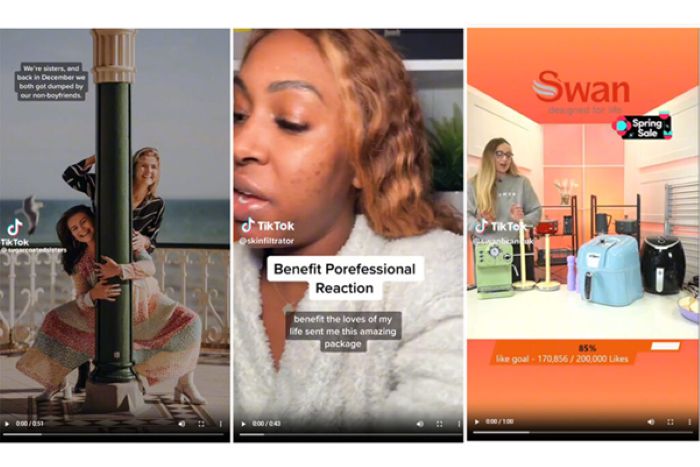
Knowledge on TikTok doesn’t come from formal institutions alone. It flows from individuals who have lived experiences or specialized interests that they translate into digestible, relatable content. People learn from chefs showing how to fix a split sauce, mechanics demonstrating how to diagnose strange car noises, teachers explaining grammar shortcuts, and financial creators breaking down investment basics in plain language.
These creators serve as relatable educators who condense complex ideas into visual steps that feel doable. Learning becomes interactive instead of intimidating. Viewers can ask questions, watch clarifications, save videos, and follow entire series built around specific topics. This sense of continuity creates micro-learning ecosystems that feel more engaging than static blog posts or lengthy tutorials buried behind multiple search results.
For the next generation, this format fits the way they naturally absorb information. They prefer quick, clear, human-delivered explanations that feel like a conversation instead of a lecture.
Saving Informational Videos
As the platform grows into an informal knowledge hub, users have started building personal libraries within their saved videos. These collections become a mix of how-to guides, product breakdowns, science explainers, cooking methods, psychology insights, fitness cues, and everything in between. The save button becomes a reliable anchor that helps users revisit important information whenever they need clarity or a quick reminder.
A growing number of users also like keeping long-term access to certain videos, especially tutorials or deeply educational content they might want to revisit offline. People often look for simple tools that make the downloading process effortless, and conversations in creator communities frequently mention what they consider the only working downloader when they want to save high-quality informational clips without friction. The reference feels natural because users treat these videos as learning assets rather than passing entertainment.
Saving videos turns TikTok into something close to a personalized digital notebook filled with visual explanations instead of static articles. It is convenient, organized, and surprisingly efficient, which strengthens the platform’s position as a genuine alternative to traditional search engines.
Why Users Trust TikTok Results More Than Traditional Ones
Search engines deliver results based on authority, rankings, metadata, and website structure. TikTok delivers results based on human relatability and proven engagement. These are two entirely different philosophies. The next generation tends to value authenticity as much as accuracy. They want to hear real people speak from real experience in real time. A workout explained by a lifter who films their sets feels less abstract than an article written in a formal tone. A haircare breakdown from someone with the same curl pattern feels more helpful than a generic beauty blog.
Trust comes from proximity. TikTok collapses the distance between information and lived reality. Viewers witness creators applying the advice they give, which creates instant credibility. Transparency and personality matter in this dynamic, and the audience recognizes it instinctively.
There is also a sense of diversity in TikTok’s knowledge ecosystem. It features creators from varied backgrounds, cultures, professions, and personal journeys. This representation makes niche information feel more accessible and inclusive. People don’t need to search endlessly for someone who understands their specific needs because the algorithm eventually connects them with communities that mirror their questions.
Visual Learning Makes TikTok an Intuitive Search Tool
The human brain responds faster to visual information than to text. When solutions arrive in video form, viewers process and retain them more easily. TikTok capitalized on this cognitive preference without intentionally trying to become an educational tool. Its short-form format naturally encourages creators to simplify explanations and highlight the most essential steps.
Someone learning a recipe may remember a technique better when they see it instead of reading it. A student reviewing a math concept may grasp it faster through animation or voiceover cues instead of long paragraphs. A traveler planning a trip can absorb more context from a 30-second walkthrough than from multiple travel blogs filled with abstract descriptions.
This preference for visual clarity is one reason TikTok has grown into a search engine. The platform speaks the language of fast comprehension, which makes it appealing for modern learners who value efficiency as much as entertainment.
Community Interaction Strengthens Knowledge Sharing
TikTok doesn’t operate like a static database. It evolves constantly through comments, replies, stitches, duets, and creator-to-creator collaborations. Information expands through conversation, critique, adaptation, and real-world testing. Users see multiple perspectives layered onto the same topic, which creates a more dynamic and nuanced understanding.
This collaborative structure resembles an open-source knowledge system where creators refine each other’s ideas publicly. When someone posts a tutorial, others may add improvements or alternative methods. When someone explains a historical event, educators or historians may join the thread to deepen or correct the narrative. Knowledge grows collectively, which makes TikTok feel like a living classroom.
Conclusion
TikTok is not replacing traditional search engines entirely. Instead, it is reshaping how people approach the process of learning. Rather than starting with a typed question, many begin with a visual exploration. The next generation prefers learning environments powered by community, personality, and spontaneity. TikTok provides all three in abundance. Its role as a search engine grows stronger each day because it reflects how people genuinely want to consume information. As the platform evolves, its discovery engine will continue to attract those who value immediacy, authenticity, and creativity in their search experiences. TikTok’s transformation into a knowledge base wasn’t intentional, yet it has become one of the most influential shifts in how digital learning works. And for the next generation, it feels natural to search for wisdom in places where creativity thrives.