In recent years, a confluence of technological innovation, shifting consumer preferences, and regulatory momentum has driven automakers to reimagine the future of transportation. The electric vehicle (EV) revolution is no longer a speculative trend. It is a definitive trajectory for the global automotive industry. Traditional automakers and emerging startups alike are investing billions in electrification strategies, moving swiftly to electrify their lineups and develop new capabilities for an electric-first future.
Automakers recognize that transitioning to EVs is not just about staying competitive but about redefining mobility in an era of climate consciousness and digital integration. With global emissions targets tightening and fossil fuel vehicles facing increasing restrictions, auto brands understand that the internal combustion engine’s days are numbered. This has prompted an acceleration in research and development aimed at improving battery performance, vehicle range, and the total cost of ownership for EVs.
What differentiates the current moment from past flirtations with electric mobility is the scale and seriousness of commitment from legacy players. From General Motors to Mercedes-Benz, industry giants are making public pledges to phase out combustion engines and achieve carbon neutrality within decades. These commitments are reinforced by multi-billion-dollar investments in battery technology, electric platforms, and supply chain partnerships that will shape the next generation of automotive manufacturing.
Key Takeaways
- The EV revolution is a definitive direction for the automotive industry, driven by innovation and regulatory momentum.
- Automakers must transition from combustion engines to EVs for climate and digital integration, with major investments in battery technology and infrastructure.
- Dedicated EV platforms enhance vehicle design and performance while supporting rapid technological evolution, benefiting production efficiency.
- Startups challenge legacy automakers, pushing boundaries in design and customer relationships, despite facing capital and compliance hurdles.
- Sustainability and ethical sourcing are crucial as automakers address the entire supply chain, balancing innovation with responsible production.
Table of contents
- The Rise of Dedicated EV Platforms and Architectures
- Infrastructure Partnerships: Building a Reliable Charging Ecosystem
- Global Leadership and the Race to Electrify
- New Entrants and the Startup Surge
- Software and Services: Vehicles Beyond Hardware
- Sustainability and the Supply Chain Evolution
- The Road Ahead: Challenges and Competitive Advantage
The Rise of Dedicated EV Platforms and Architectures
A key strategy driving the EV revolution is the development of dedicated EV platforms, designed from the ground up to optimize electric powertrains. Unlike retrofitted gas-powered models, these platforms allow automakers to exploit the full design and performance potential of electric propulsion. Leading brands such as Volkswagen, Hyundai, and Ford have launched proprietary EV architectures that support scalability across multiple models and price points.
These new platforms serve as the foundation for innovation in both form and function. By placing battery packs low within the chassis, manufacturers improve vehicle handling and safety, while maximizing cabin space. Additionally, flexible architectures enable modularity that benefits both production efficiency and design freedom. Automakers can offer a diverse portfolio of EVs—from compact city cars to large SUVs—using a single platform, reducing time to market and manufacturing costs.
Crucially, these platforms are also built to accommodate rapid technological evolution. As battery densities improve and charging speeds increase, auto brands can update components without overhauling entire vehicle designs. This future-proofing is essential in a market where consumer expectations and competitive benchmarks evolve rapidly. It also supports the development of software-defined vehicles, where hardware serves as a foundation for over-the-air updates, autonomous driving capabilities, and connected services.
Infrastructure Partnerships: Building a Reliable Charging Ecosystem
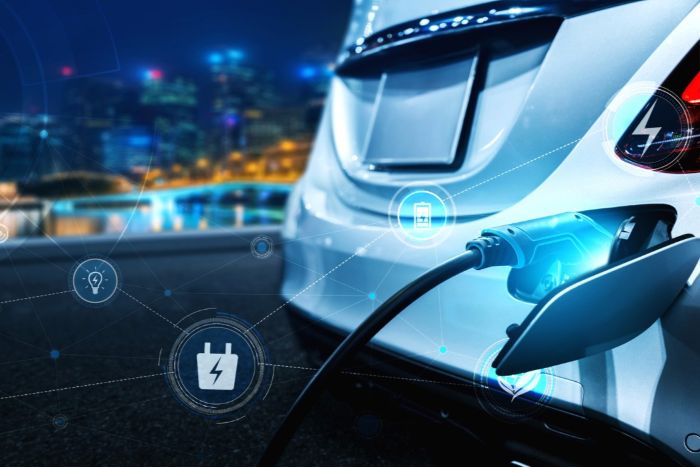
Automakers increasingly understand that the EV revolution cannot succeed without a strong charging infrastructure. Producing electric vehicles is no longer enough; supporting their operation is equally critical. As consumer adoption grows, expectations for charging convenience and reliability rise. Range anxiety remains a key barrier, and brands are moving to address this by helping build networks that offer fast, accessible, and consistent charging experiences across urban and rural environments.
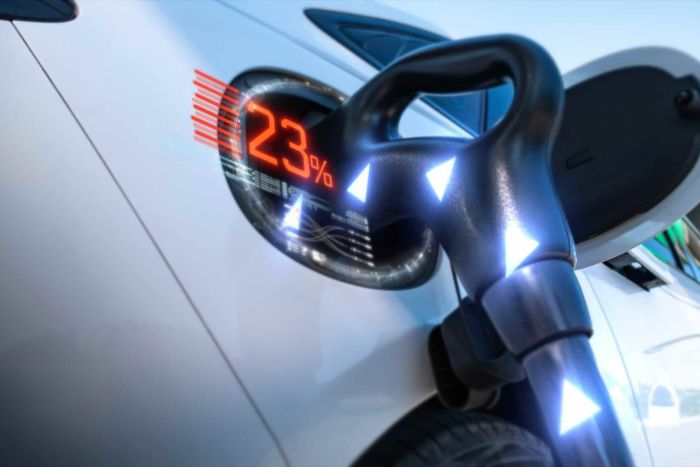
Some automakers have launched proprietary charging networks, while others have formed consortiums or partnered with utilities. Tesla’s Supercharger network set early standards for performance and availability. In response, firms like BMW, Ford, and Hyundai are collaborating with energy providers and policymakers to build national and regional networks. These partnerships are essential to reducing infrastructure gaps, improving grid integration, and enabling faster adoption of electric mobility at scale across all demographics and use cases.
To meet this demand, manufacturers are turning to specialized infrastructure providers that can ensure scalability, uptime, and smart design. Companies such as ChargeTronix support this effort by delivering robust AC and DC charging systems built for performance and reliability. Their modular, future-ready platforms help brands serve both consumer and auto manufacturing markets. Ensuring consistent charging access has become a strategic priority, necessitating seamless collaboration among vehicle manufacturers, energy companies, and technology leaders across the charging ecosystem.
Global Leadership and the Race to Electrify
Different regions present unique challenges and opportunities in the EV race. In Europe, stringent emissions regulations and proactive government incentives have propelled legacy automakers into high gear. Brands like Renault and Volkswagen are launching EV-first lineups designed to meet both regulatory requirements and consumer demand. Europe’s charging infrastructure and political alignment have created a relatively cohesive environment for EV growth.
In China, the world’s largest EV market, local brands are not only thriving but also exporting their expertise. Companies like BYD and NIO have set benchmarks for cost-efficiency, battery innovation, and smart vehicle features. Foreign automakers, including Tesla and BMW, are investing heavily in Chinese production and research facilities to remain competitive in a landscape that prizes scale and innovation. The Chinese government’s industrial policy has accelerated EV adoption and created global ripple effects.
The U.S. market is gaining momentum with a combination of federal incentives, state-level mandates, and corporate commitments. Brands like Ford and GM have outlined ambitious electrification goals, including plans for domestic battery manufacturing and all-electric fleets in key segments. The Inflation Reduction Act has catalyzed further investment by offering tax incentives for American-made EVs and batteries. However, challenges around grid capacity, consumer education, and charging infrastructure still require coordinated public and private action.
New Entrants and the Startup Surge
While legacy automakers dominate market share, startups have played an outsized role in pushing the boundaries of what EVs can be. These newcomers often operate without the constraints of internal combustion heritage, allowing for bold design experimentation and agile development cycles. Companies such as Rivian, Lucid Motors, and Fisker are setting new standards for range, performance, and digital integration.
Startups are also redefining the relationship between manufacturer and customer. With direct-to-consumer sales models, vertically integrated service ecosystems, and data-centric user experiences, they are leveraging technology to create differentiated brand identities. These strategies resonate with a new generation of buyers who expect personalization, transparency, and ongoing software-driven improvements.
Despite their innovations, startups face significant hurdles, including capital intensity, supply chain volatility, and regulatory compliance. Many rely on public markets or strategic partnerships to scale production and infrastructure. The competition with established players is intensifying as legacy brands adapt more quickly than expected, integrating startup innovations into their own offerings. Still, the fresh perspectives and pressure from new entrants are vital in propelling the industry forward.
Software and Services: Vehicles Beyond Hardware
EVs are not just transforming how vehicles are powered—they are changing what vehicles are. Increasingly, auto brands are positioning EVs as platforms for digital services, subscription features, and personalized user experiences. This shift aligns with broader trends in mobility, where software determines functionality, user interface, and post-sale revenue opportunities.
Tesla pioneered this model by offering over-the-air updates and features like Full Self-Driving as paid upgrades. Other automakers are following suit. General Motors’ Ultifi platform and Mercedes-Benz’s MBUX system exemplify how brands are investing in software ecosystems that enable vehicles to evolve long after purchase. These systems manage everything from battery health and navigation to entertainment and driver assistance features.
The monetization of vehicle data and services represents a new frontier for profitability. As cars become more connected, automakers can offer insurance, maintenance, and infotainment packages tailored to usage patterns. This also raises questions about data privacy, cybersecurity, and consumer consent, which manufacturers must address transparently to maintain trust. The EV revolution, then, is not only about hardware transformation but about reimagining the entire value chain of mobility.
Sustainability and the Supply Chain Evolution
As environmental consciousness deepens, automakers are under pressure to ensure that EVs are sustainable throughout their life cycles. This includes not only reducing tailpipe emissions but also addressing upstream impacts such as mining, manufacturing, and recycling. Leading brands are taking steps to localize supply chains, invest in ethical sourcing, and develop closed-loop battery systems.
Battery production is central to this effort. Companies are exploring alternatives to cobalt and rare earth metals, which are often sourced from geopolitically sensitive or environmentally damaging regions. Investments in battery recycling facilities and second-life applications are gaining traction. Automakers such as BMW and Tesla have announced initiatives to repurpose old batteries for energy storage, reducing waste and improving material circularity.
Transparency in the supply chain is becoming a key differentiator. Consumers and investors alike are scrutinizing environmental, social, and governance (ESG) practices, prompting brands to publish sustainability reports and undergo third-party audits. As EVs become mainstream, expectations for responsible production will only grow. Automakers must align their sustainability goals with operational reality to ensure long-term credibility and impact.
The Road Ahead: Challenges and Competitive Advantage
Despite the progress made, significant challenges remain in achieving mass EV adoption. High upfront costs, inconsistent charging infrastructure, and limited consumer education continue to slow momentum in some markets. Automakers must work collaboratively with governments, energy providers, and technology partners to address these friction points and lower barriers to entry.
Nonetheless, the pace of innovation and investment suggests that the EV revolution is not a matter of if, but how quickly. Automakers that lead this transition are likely to secure long-term competitive advantages, not only through product differentiation but also through alignment with global policy shifts and consumer expectations. The brands that succeed will be those that can balance technological ambition with operational execution.
Ultimately, the transformation underway in the auto industry is as much about reinvention as it is about electrification. From the factory floor to the digital dashboard, every facet of vehicle production and experience is evolving. As auto brands continue to lead the EV revolution, they are redefining what it means to be a mobility provider in the 21st century. The winners will be those who see beyond the drivetrain and embrace the full spectrum of change.