Electric vehicles (EVs) slow down differently than regular cars. When a driver lifts their foot off the accelerator, the car decelerates quickly because of regenerative braking. Many drivers find this smoother, while first-time passengers might feel surprised. Regenerative braking is important for helping EVs go further and use less energy.
Understanding how this braking works can help drivers stay safe. It changes stopping patterns and the distance needed from other cars, which can be surprising for those not used to “one-pedal driving.” If there’s an accident, these braking differences can be confusing for insurance claims. If you were injured in a Lubbock crash, knowing about EV braking can help explain why the vehicle may have slowed down unexpectedly.
Key Takeaways
- Electric vehicles (EVs) slow down differently due to regenerative braking, which may confuse new passengers and affect safety.
- Regenerative braking captures energy during deceleration, with the electric motor acting as a generator to recharge the battery.
- Drivers experience ‘one-pedal driving’ where releasing the accelerator leads to significant deceleration, but it can surprise others on the road.
- Understanding regenerative braking is crucial for safe driving, especially in mixed traffic and varying weather conditions.
- Predictable deceleration and maintaining safe spacing can help EV drivers avoid accidents and manage surprising braking behavior.
Table of contents
- What Regenerative Braking Is (In Plain Terms)
- How EVs Turn Stopping Into Energy
- One-Pedal Driving and Why It Feels So Different
- Regenerative Braking vs. Traditional Brakes
- When Regenerative Braking Is Limited or Reduced
- Why Regenerative Braking Matters for Real-World Safety
- Common Misunderstandings After a Crash Involving an EV
- What Drivers Can Do to Use Regen Safely
- Regenerative Braking Makes EVs Smarter—But Drivers Still Set the Safety Standard
What Regenerative Braking Is (In Plain Terms)
In a gas-powered car, braking turns motion into heat. Brake pads clamp onto rotors, friction slows the wheels, and the energy is essentially wasted as heat. Regenerative braking takes a different approach. Instead of wasting that energy, EVs capture part of it and convert it into electricity.
When the driver lifts off the accelerator—or presses the brake, depending on the system—the electric motor switches roles. It becomes a generator. That generator creates resistance that slows the vehicle, and it sends recovered energy back into the battery. In simple terms, the car “recycles” some of the energy that would otherwise be lost during slowing.
How EVs Turn Stopping Into Energy
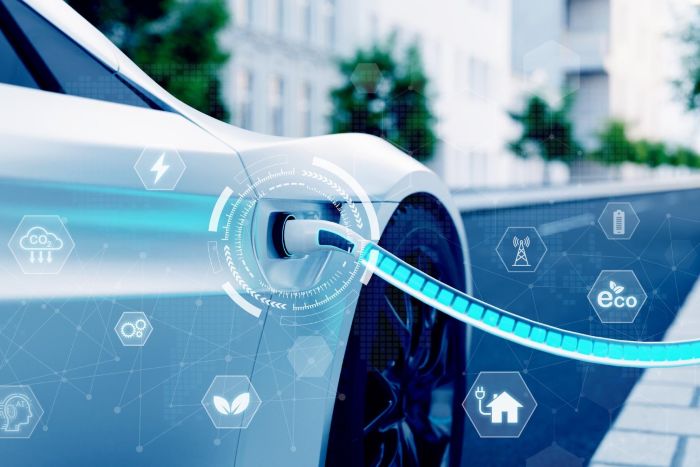
Regenerative braking works because the electric motor can switch roles. When driving, the motor uses battery power to move the vehicle. When you ease off the accelerator, the wheels turn the motor into generator mode, creating electricity. This causes EVs to “pull back.”
The amount of energy recovered depends on speed, battery temperature, charge level, road conditions, and settings. Regenerative braking is more noticeable at moderate speeds and during gradual stops. For hard braking or emergencies, traditional brakes are needed for stronger stopping power.
One-Pedal Driving and Why It Feels So Different
Many EVs offer “one-pedal driving,” where lifting off the accelerator creates strong regenerative deceleration—sometimes strong enough to bring the vehicle to a near stop without pressing the brake pedal. Drivers like it because it feels intuitive once learned: press to go, lift to slow.
But one-pedal driving can surprise other drivers. The brake lights may or may not engage the same way across different EV models and settings, and the deceleration can feel sudden if you’re following closely. That’s why EV drivers often need to be extra mindful of smooth inputs, predictable slowing, and maintaining safe spacing—especially in mixed traffic with gas vehicles.
Regenerative Braking vs. Traditional Brakes
Regenerative braking doesn’t replace regular brakes—it works alongside them. Most EVs blend regen and friction braking depending on how much slowing is needed. Light braking often uses regen heavily. Strong braking adds friction brakes to meet the demand.
A major benefit is reduced brake wear. Because regen handles many everyday slowdowns, brake pads and rotors can last longer. However, this can also create a maintenance wrinkle: friction brakes may be used less frequently, which can lead to corrosion or reduced effectiveness if a vehicle sits for long periods in wet or salty environments. Regular brake checks still matter.
When Regenerative Braking Is Limited or Reduced
Regenerative braking isn’t always available at full strength. If the battery is fully charged, the vehicle may limit regen because there’s nowhere to store the recovered energy. Cold temperatures can also reduce regen until the battery warms up. Some EVs display a reduced regen indicator so the driver knows the car won’t slow as strongly when they lift off the accelerator.
Traction conditions also matter. On ice, snow, or slick roads, heavy regenerative deceleration can cause wheel slip. EVs manage this through traction control and stability systems that reduce regen when needed. Drivers may notice the car coasts more than expected in bad weather, which can change stopping distance.
Why Regenerative Braking Matters for Real-World Safety
Regenerative braking changes the rhythm of driving. EVs can slow earlier and more strongly when the driver simply releases the accelerator. That can be safer when done smoothly—but it can also lead to rear-end crashes if the driver behind isn’t expecting the deceleration or is following too closely.
It also affects downhill driving. On steep grades, regen can help control speed without riding the brakes, reducing overheating risk. But if regen is limited due to battery charge or temperature, the driver may need to rely more on friction brakes than expected. Knowing your EV’s regen behavior helps avoid surprises.
Common Misunderstandings After a Crash Involving an EV
EV crashes can create confusion because electric vehicles slow down differently than traditional cars, especially when regenerative braking is involved.
- “The car braked suddenly” can be misleading. EVs can decelerate strongly through regenerative braking even if the driver never presses the brake pedal. That can surprise other drivers who assume braking requires a visible pedal action.
- Brake light behavior isn’t always obvious. Many EVs activate brake lights during significant regenerative deceleration, but the timing and threshold can vary by model and settings.
- These differences can fuel rear-end disputes. When both drivers claim the other acted unpredictably, regenerative braking and brake light timing may become key issues in determining fault.
What Drivers Can Do to Use Regen Safely
For EV drivers, the safest approach is predictable deceleration. Ease off the accelerator gradually instead of lifting suddenly, especially when someone is following. Leave extra space in front so you can slow smoothly rather than abruptly. In heavy traffic, be aware that your vehicle may decelerate faster than the cars around you.
In cold weather or when the battery is near full, expect reduced regen and longer stopping distances. If you switch between EVs and gas vehicles, take a moment to adjust to the different feel. And if your EV allows regen settings, choose one that matches your comfort level and driving conditions.
Regenerative Braking Makes EVs Smarter—But Drivers Still Set the Safety Standard
Regenerative braking is a useful feature of electric vehicles (EVs). It captures energy while slowing down, recharging the battery, and improving efficiency and range.
This technology can change how quickly an EV decelerates, especially in one-pedal driving, which may surprise other drivers. The safest EV drivers use regenerative braking predictably, keep extra space between vehicles, and adjust for weather and battery conditions. While this feature may enhance driving, awareness, and good habits help prevent accidents.