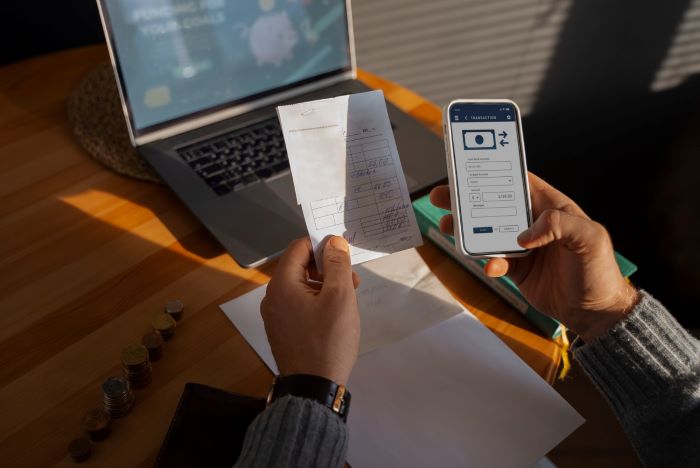
When you buy Bitcoin, the asset is the same. What changes is how your money gets converted into it—and that affects how fast the purchase feels, what you pay in total, and what happens if the payment is questioned later. PayPal, cards, and bank transfers are three common ways people fund a Bitcoin purchase around the world.
They work, but they come with different trade-offs. The biggest one is simple: payment methods that are easier to reverse usually come with higher costs and tighter controls. Bank transfers can be cheaper, but they often take longer to clear, and some platforms may delay withdrawals until the transfer is fully settled.
This guide keeps it practical and global. Where payment rails have local names, think in categories: PayPal (wallet-style checkout), card (debit/credit), and bank transfer (account-to-account rails).
Key Takeaways
- When buying Bitcoin, payment methods like PayPal, cards, and bank transfers offer different trade-offs in terms of speed, cost, and reversibility.
- PayPal is user-friendly but can impose extra checks; cards offer quick authorization but can lead to higher costs due to fraud risk.
- Bank transfers are generally the cheapest for repeat purchases but can take longer to set up and clear compared to instant methods.
- The choice of payment method affects not just the purchase but also withdrawal timing and overall costs, especially due to spreads and processing fees.
- Users should prioritize their goals—speed, cost, or stability—when deciding between PayPal, card, and bank transfer for buying Bitcoin.
Table of contents
- PayPal vs Card vs Bank Transfer for Bitcoin: The Differences That Matter
- Bank Transfer Is a Category, Not One System
- Speed: What “Fast” Actually Means for a Bitcoin Purchase
- Fees: Why the “Cheapest” Option Isn’t Always Obvious
- Risk: Reversibility Drives Limits, Holds, and Declines
- Where PayPal Fits Well in a Buying Workflow
- Bank Transfer: Usually Better for Repeat Buying and Larger Amounts
- Why Platforms Ask for Verification
- How to Choose Based on Your Goal
- Conclusion: A Global View of PayPal vs Card vs Bank Transfer for Bitcoin
PayPal vs Card vs Bank Transfer for Bitcoin: The Differences That Matter
PayPal is often chosen because it’s familiar. Many people already use it for everyday payments, and the flow feels straightforward. The trade-off is that PayPal is an account-based system with its own rules. If something about the transaction looks unusual—new device, unusual amount, new merchant, sudden change in pattern—you may see extra checks or a temporary hold.
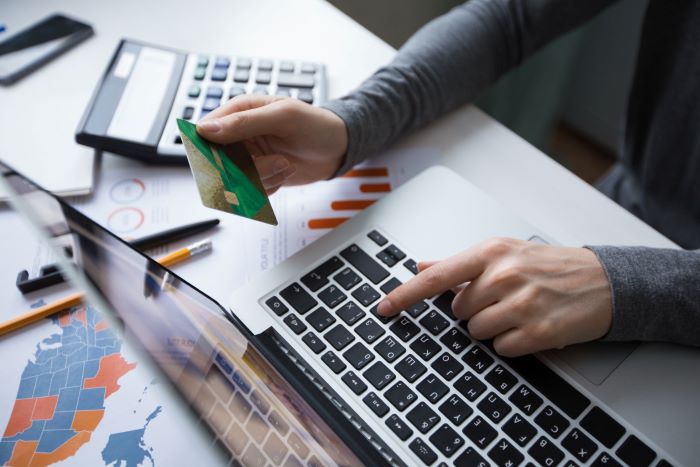
Cards are usually the fastest at checkout when they work. Authorization can be immediate. But cards are also built for disputes and chargebacks. That’s good in normal retail, but it creates risk for crypto purchases because the Bitcoin can be moved quickly and can’t be recovered the way a shipped product can. As a result, card-funded crypto purchases often come with higher total costs, more declines, and lower limits, especially for brand-new accounts.
Bank transfers (the local rails your bank uses to send money account-to-account) are often the most cost-efficient over time, especially for recurring buys or larger amounts. The trade-off is timing. Bank transfers run on clearing and settlement windows rather than instant authorization. That can make the first purchase feel slower, and it can affect when a platform lets you withdraw.
Bank Transfer Is a Category, Not One System
“Bank transfer” can mean different things depending on where you live. In the US it’s commonly ACH. In Europe, a common framework is SEPA, and the Single Euro Payments Area (SEPA) is a good example of how a region standardizes bank-to-bank transfers. In other places, you’ll see different rails, cutoffs, and settlement timing.
That’s why two people can both say “I used a bank transfer” and still have different experiences. The category is the same, but the processing rules are local.
Speed: What “Fast” Actually Means for a Bitcoin Purchase
People ask, “which is fastest,” but speed has a few meanings here.
One meaning is how quickly you can place the order and get confirmation. Another is how soon you can withdraw or move the Bitcoin off the platform. A third is how long it takes for the payment to fully settle behind the scenes.
Cards and PayPal tend to feel fast for the first part—placing the order—because the authorization happens quickly. Bank transfers tend to be slower at the start because you’re working with settlement windows and verification steps.
Withdrawal speed is its own issue. Many platforms handle withdrawals based on a mix of funding method, account history, and risk checks. That’s why a method that feels instant at checkout can still lead to a withdrawal hold, and a method that feels slow on day one can become smoother once the account is established.
Fees: Why the “Cheapest” Option Isn’t Always Obvious
It’s tempting to compare methods by looking for a single fee. In practice, the total cost usually comes from a few layers working together.
There’s the cost of the payment method itself (card processing, wallet fees, or bank transfer handling). Then there’s the platform’s trading fee model. And there’s the spread, meaning the difference between the price you’re shown and the broader market price at that moment.
Spread is the part many people miss because it doesn’t always appear as a line item labeled “fee.” It can widen for normal reasons like volatility and liquidity. It can also widen because some payment rails are more expensive to support or carry more fraud exposure.
If you want a solid baseline for how platforms approach cost and constraints, Coruzant’s overview of crypto exchange pricing and limits is helpful context. And if you want to separate payment method costs from how the trade itself is charged, Coruzant’s explainer on maker vs taker fees is a quick way to understand why two purchases can price out differently even on the same platform.
A simple rule of thumb: convenience and reversibility tend to get priced in somewhere, either as a higher fee, a wider spread, tighter limits, or a slower withdrawal process.
Risk: Reversibility Drives Limits, Holds, and Declines
Most of the friction people experience—declines, low limits, extra verification, delayed withdrawals—comes down to reversibility and fraud risk.
Card payments are built around disputes. That makes them high-risk from a crypto provider’s point of view. If a chargeback happens after the Bitcoin moves, the provider is exposed. That’s why card buys often cost more and come with stricter controls.
Bank transfers generally reduce chargeback-style risk, but they introduce settlement timing and verification checks. Platforms may wait until funds are fully settled before allowing certain actions, especially withdrawals. This can feel slow at first, but it’s often part of a stable long-term setup for repeat buying.
PayPal sits between these two. It can make checkout feel simpler, but it’s still a system that can apply account-based controls when activity looks unusual. For many buyers, that’s a fair trade for convenience, as long as they’re not expecting every transaction to behave the same way forever.
Where PayPal Fits Well in a Buying Workflow
PayPal often works well when you want a familiar checkout flow and you’re buying a smaller amount or trying a platform for the first time. It can also be useful if you prefer not to enter card or bank details repeatedly across different sites.
A straightforward reference for how this type of purchase flow typically works is the PayPal method for bitcoin, especially if you want to compare the steps and requirements across providers without getting lost in jargon.
Bank Transfer: Usually Better for Repeat Buying and Larger Amounts
Across many markets, bank transfers are commonly the most practical option for recurring purchases because they can be cheaper to process and easier to scale. The trade-off is that the first transfer can take time to set up and clear. Once the account link is established, the experience tends to be more predictable.
The main thing to watch is timing. Bank rails work on settlement cycles, and settlement cycles vary by country. If you need the ability to place a purchase quickly at any moment, bank transfer rails may not match that need. If you want steady, repeatable purchasing at a lower all-in cost, bank transfer is often the calmer option.
Why Platforms Ask for Verification
Verification isn’t there to make life difficult. It’s how platforms manage fraud and comply with rules that exist in most jurisdictions. When a platform sees higher risk—unusual transaction patterns, large amounts, mismatched details, or activity that looks like account takeover—it is more likely to slow things down, request more information, or apply temporary limits.
Globally, many of these expectations are shaped by frameworks like FATF’s guidance for virtual assets and VASPs, which influences how services think about risk controls and monitoring.
For a plain-English view of why these controls show up even for normal users, Coruzant’s explanation of AML’s role in crypto exchanges provides useful background.
How to Choose Based on Your Goal
If your main goal is a quick first purchase with minimal setup, PayPal or a card often gets you there fastest, assuming the payment is approved. The cost is that you may pay more in total, and you may run into tighter limits or extra checks until the account has history.
If your goal is to buy regularly, bank transfer is often the better long-term fit. It can be cheaper over time and easier to scale. The first transfer may be slower while verification and settlement happen, but the process tends to become routine once established.
If your goal is to move Bitcoin off-platform quickly, don’t assume the payment method alone controls that. Many platforms decide withdrawal timing based on a combination of funding method, account age, and risk signals. If withdrawal timing matters to you, it’s worth checking those policies before placing the purchase.
Conclusion: A Global View of PayPal vs Card vs Bank Transfer for Bitcoin
There isn’t one “best” choice. PayPal and cards are often the simplest at checkout, while bank transfers often make more sense for repeat buying and larger amounts once the setup is done.
If you’re weighing PayPal vs card vs bank transfer for Bitcoin, start with what you care about most: speed at checkout, lower total cost over time, or fewer surprises around limits and holds. The method you choose doesn’t just affect the moment you buy—it can affect what you pay and what you’re able to do right after the purchase.
Informational only; not investment advice.