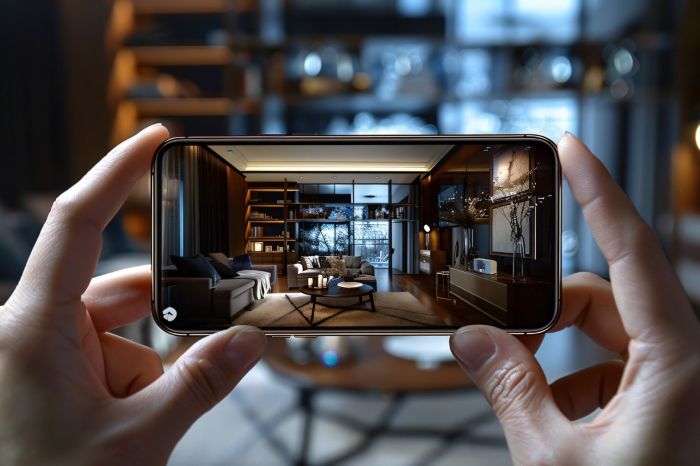
The modern consumer in the USA has long been accustomed to instant access to information; yet, the demand for product visualization or “living objects” continues to grow every year. Standard photographs, no matter how high-quality they are, no longer satisfy the need for immersion and detailed product examination before purchase. In a highly competitive environment, those who are ready to give the buyer full control over the visual experience come out on top.
Key Takeaways
- Consumers increasingly demand immersive product visualization over traditional photography.
- Living objects like 3D models provide flexibility, speed, and detail for online shopping experiences.
- Augmented reality and interactive elements enhance customer engagement and reduce return rates.
- Transitioning to digital assets improves cost efficiency and creates lasting value for brands.
- Investing in high-quality living objects builds consumer trust and is vital for brand survival.
Table of contents
The End of the Era of “Flat” Content
Traditional photography requires enormous logistical costs, as every new color or material of a product necessitates reorganizing the entire shooting process. Despite the familiarity of this method, it becomes far too slow for a rapidly changing market, where catalog updates must happen within hours, not weeks.
It is obvious that the future belongs to the flexibility offered by digital assets or living objects. Once created, a 3D model becomes a universal tool that can be rotated, recolored, and integrated into any scenario. Often, a potential buyer closes the tab simply because they could not assess the scale or texture of the object, as a flat photo frequently hides important details that could have been decisive in making the purchase.
The Magic of Rotation and Augmented Reality
The shift toward interactivity allows the buyer to feel the texture of fabric or examine the stitching on a leather bag as if they were holding it in their hands. Using 360 product photography software transforms a static product page into a full‑fledged digital showroom. Moreover, modern algorithms allow augmented reality (AR) to launch directly from the browser, giving customers the ability to “try on” furniture or appliances in their own interior. This is precisely why brands are seeing a significant increase in time spent on the site and a sharp decrease in return rates.
But the interactive experience is not limited to simple rotation around an axis. Modern solutions allow users to look inside the product, change finishing materials in real time, or see how shadows fall on the surface under different lighting conditions. For mobile users, this becomes a decisive factor, since smartphones today are the primary shopping tool. Smooth animation and high texture detail make the process of exploring a product or living objects feel like a game, which greatly increases brand loyalty.
The Economics of 3D Modeling: Numbers Versus Flashes
From a business perspective, the shift to digital is justified not only by aesthetics but also by strict math. Maintaining a physical studio, paying retouchers, and shipping samples cost several times more than creating a high‑quality 3D copy. One way or another, the market is moving toward automation, where a single “source file” works for hundreds of SKU variations. At the same time, rendering quality has reached such a level that distinguishing a model from a real photo is almost impossible.
| Feature/metric | Traditional photography | Interactive 3D solutions |
| Asset creation time | 2-3 weeks per collection | 3-5 days per master model |
| Cost of SKU variation | $50-$150 per color/view | Included in the digital twin setup |
| Reusability level | Static image only | AR, video, 360 spins, social |
| File weight optimization | High (bulk of JPGs) | Low (optimized 3D data) |
| Browser compatibility | Universal | WebGL / WebXR standard |
| User interaction | Zero (scroll only) | 100% (zoom, rotate, swap) |
| Update flexibility | Requires reshoot | Instant via CMS |
This table clearly demonstrates why the technological transformation of the visual department is becoming a priority for executives. The ability to instantly create marketing content or living objects without involving a photographer is especially impressive. We stop paying for an endless process and start investing in an asset that grows in value alongside the development of metaverses and AR tools.
Technical Foundation for Visual Leadership
To successfully implement such solutions, there is no need to rewrite the entire website from scratch. Platforms like Zolak offer easy integration through scripts that work with almost any CMS, from Shopify to complex custom systems. To ensure a smooth process, we have highlighted the key preparation steps:
Preparing clear product references with specified dimensions;
- Selecting optimal materials and textures for rendering;
- Setting up lighting in the virtual scene or living object to match the brand book;
- Integrating the widget into product detail pages.
The process takes just a few minutes once the living models are prepared, and optimization for different screen resolutions happens automatically, relieving the development team of unnecessary headaches. It is also worth mentioning customization capabilities: if your product includes dozens of upholstery or hardware variations, a 3D configurator becomes an indispensable assistant.
Investment in Trust
When we give a person the opportunity to look behind every corner of a product, we remove the fear of buying a “pig in a poke.” This is especially critical for expensive product categories where the cost of a mistake is high. The market does not forgive visual stagnation, so the shift to interactive content and living objects is not a matter of choice but a matter of brand survival in the long term. That is why a high‑quality 3D model has become just as essential to a product page as its description.