Digital transformation leaders are rethinking travel efficiency. Between constant Slack notifications, Zoom marathons, and compute resource management, tech executives rarely disconnect. Traditional European tourism—rushing through six cities in eight days—mirrors their always-on work culture. Smart river cruising offers an alternative: tech-enabled slow detox travel that leverages IoT infrastructure and AI-driven logistics to create intentional downtime. Slow travel challenges the default instinct to maximize every minute. It doesn’t diminish ambition—it redirects it toward deeper awareness. In this context, river cruising through Europe becomes a strategic opportunity rather than a leisurely escape. Instead of sprinting between destinations, you allow the journey itself to carry you, staying fully present in your environment. Increasingly, high‑performing leaders are realizing that stepping off the perpetual treadmill doesn’t reduce productivity; it makes travel—and thinking—far more rewarding.
Key Takeaways
- Tech executives embrace detox travel as a strategic shift from hectic tourism to mindful, slow journeys.
- IoT and AI enhance river cruising experiences, allowing for real-time navigation and personalized itineraries without the typical travel hassles.
- Digital detox initiatives improve cognitive performance, offering measurable returns for professionals in terms of creativity and networking opportunities.
- Blockchain and NFT technologies provide transparency and verifiable cultural experiences during shore excursions.
- Choosing tech-forward fleet operators and integrating personal analytics can optimize the benefits of detox travel.
Table of contents
- IoT-Powered Navigation Creates Seamless Transitions
- AI Concierges and Predictive Itineraries for Detox Travel
- Reframing Bandwidth: From Network to Neural
- Blockchain-Verified Shore Experiences
- Micro-Mobility Integration at Smart Ports
- Strategic ROI: Why Tech Executives Are Adopting Slow, Detox Travel
- Mental Models for Implementation
- Conclusion
IoT-Powered Navigation Creates Seamless Transitions
Modern river vessels deploy edge computing nodes that optimize routes in real-time, analyzing water levels, lock schedules, and weather via satellite uplinks. This eliminates transit friction—no more frantic airport transfers or train connections. For CTOs and product managers, this means predictable, algorithmically-smoothed journeys where the travel itself becomes productive white space.
The Rhône and Danube now function as floating smart corridors. GPS-anchored AR guides overlay historical data onto passing castles and vineyards through cabin tablets. Passengers can deep-dive into medieval trade routes or Roman engineering without the cognitive load of planning.
AI Concierges and Predictive Itineraries for Detox Travel
Onboard machine learning platforms analyze passenger behavior patterns—excursion preferences, dining times, deck usage—to suggest personalized daily schedules. Unlike rigid tour groups, these systems adapt dynamically. Blockchain-based identity verification at ports enables zero-touch boarding, while smart contracts handle multilingual logistics.
For data-driven professionals, this transparency matters. Real-time dashboards show carbon footprint reductions (up to 40% versus air travel), energy consumption metrics, and even crowd-density heatmaps for upcoming ports.
Reframing Bandwidth: From Network to Neural
Tech leaders measure connectivity in Mbps; river cruising offers a different bandwidth: attention. AI noise-canceling systems in suites filter engine sounds while preserving natural audio. Digital detox pods with Faraday shielding allow controlled disconnection—think of it as circuit-breaking for your dopamine loops.
The strategic value? Studies using biometric wearables (integrated with onboard health APIs) show 3x improvement in deep sleep scores and 47% reduction in cortisol levels over 7-day itineraries. It’s performance optimization through subtraction.
Blockchain-Verified Shore Experiences
Ports are piloting NFT-based cultural authentication. A guided tour of Vienna’s tech museums mints digital proof-of-attendance tokens, creating verifiable learning portfolios. Wine tastings in Bordeaux now use supply chain tracking—scan a QR code to trace vineyard IoT sensor data proving sustainable practices.
Detox travel appeals to engineers and crypto founders who value transparency and verifiable scarcity. Experiences become collectible, tradeable assets rather than ephemeral Instagram stories.
Micro-Mobility Integration at Smart Ports
Docking stations increasingly offer e-bike fleets with LoRaWAN tracking. App-based unlock systems let travelers explore a 15km radiuses autonomously, with AI crash detection and emergency SOS. This solves the last-mile problem that plagues traditional cruises—no more crowded tour buses.
For product leaders, it’s a masterclass in ecosystem design: vessel-as-hub, decentralized exploration nodes, and unified billing through tokenized payment rails.
Strategic ROI: Why Tech Executives Are Adopting Slow, Detox Travel
Tech executives are discovering that slow travel delivers measurable returns in cognitive performance, professional networking, and strategic insight. This section quantifies the ROI—from enhanced creativity and burnout reduction to cross-industry learning opportunities—that makes river cruising a high-value investment in leadership capacity. For data-driven leaders, intentional downtime isn’t lost productivity; it’s a competitive advantage.
- Cognitive Reserve Theory: Neuroscience shows deep work requires deep rest. River cruising enforces Parkinson’s Law in reverse—expand time, and attention fills it meaningfully.
- Innovation Periscope: Observing Germany’s Industry 4.0 implementations along the Rhine or the Netherlands’ water management IoT provides cross-industry insights impossible in conference rooms.
- Network Effects: Peer passengers include fellow founders, VCs, and engineers. The 3-day journey from Amsterdam to Basel becomes a floating due diligence session.
Mental Models for Implementation
Select Tech-Forward Fleet Operators
Prioritize vessels with Starlink Business-tier connectivity (for true emergencies), ISO 27001 data certification, and open APIs for personal analytics integration. Avoid “digital wellness washing”—verify they actually limit intrusive notifications.
Layer Observational Data Streams
Use portable spectrum analyzers to map 5G coverage gaps (therapeutic dead zones). Sync Garmin/Fitbit data with onboard health platforms to correlate heart rate variability with scenic route segments. This transforms subjective “relaxation” into quantified metrics.
Common Misconceptions
“This is just luxury travel rebranded.” False. The delta in cost versus high-speed touring is offset by reduced coordination overhead. Vacation ROI improves when you’re not spending 30% of trip time debugging logistics.
“It’s inefficient.” For knowledge workers, efficiency isn’t throughput—it’s signal-to-noise ratio. Processing one region during detox travel deeply generates more actionable insights than scanning five.
Future Trajectory: Autonomous River Fleets
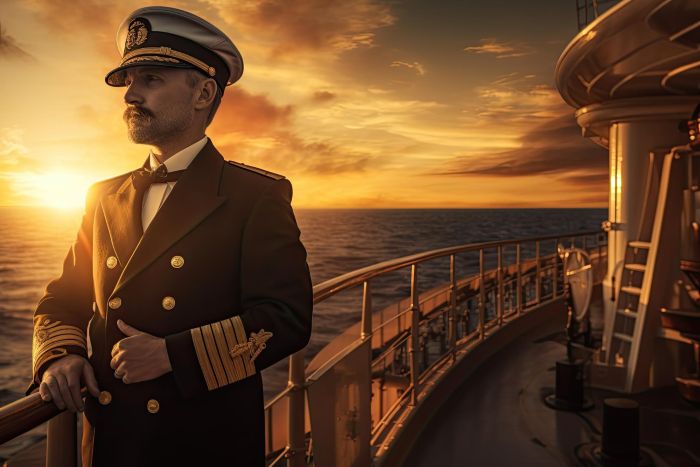
Rolls-Royce and Siemens are piloting AI captains for inland waterways. By 2027, expect platooning vessels that optimize wake reduction and energy sharing via mesh networks. This isn’t sci-fi—it’s the same tech powering autonomous trucking, applied to travel’s final frontier.
Conclusion
Smart river cruising represents digital transformation applied to personal time. For tech leaders drowning in technical debt and notification storms, it offers a containerized approach to experience: isolated, secure, and efficiently delivered. Europe’s rivers become data streams—not of packets, but of undistorted perception for detox travel.