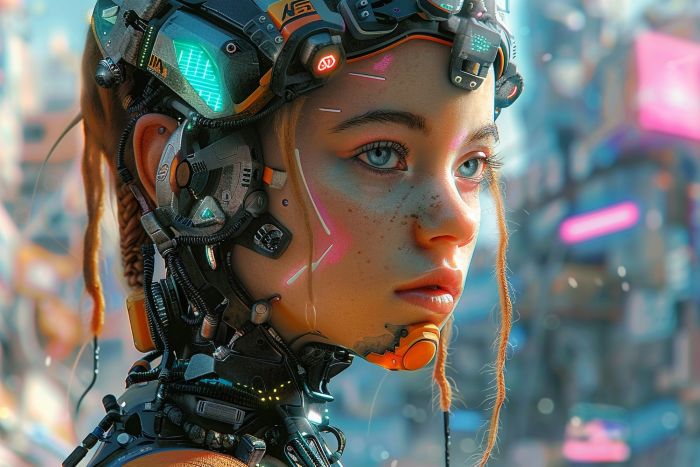
The landscape of modern gaming is being radically transformed by next-generation artificial intelligence, pushing the boundaries of interactivity, immersion, and realism. Games are no longer limited to pre-scripted behaviors or predictable enemy patterns; instead, AI-driven systems are creating responsive and dynamic worlds that adapt to players’ decisions in real time. This evolution enables developers to craft experiences that feel far more human-like, with characters that react intelligently, environments that respond meaningfully, and gameplay that evolves alongside the player. The integration of advanced AI not only enhances challenge and engagement but also fosters emotional connections, making virtual worlds feel alive. As AI continues to progress, the gap between programmed logic and human intuition in games becomes increasingly narrow, offering unprecedented depth and richness to the human-like gameplay experience.
Key Takeaways
- Next-generation AI revolutionizes human-like gameplay by creating adaptive, immersive, and interactive gaming experiences.
- AI-driven characters learn from player actions, leading to dynamic, unpredictable encounters that enhance engagement.
- Procedural content generation allows games to tailor experiences based on player preferences, offering unique challenges.
- Emotionally intelligent AI simulates genuine human interactions, improving immersion and accessibility in gaming environments.
- AI is set to redefine future gaming interactions by merging emotional awareness, strategic intelligence, and procedural creativity.
Table of contents
Adaptive AI: Crafting Dynamic and Human-Like Gameplay Opponents
One of the core innovations of next-gen AI in gaming is adaptive behavior. Unlike traditional scripted opponents, AI-driven characters can analyze player actions, learn strategies, and modify their responses to create unpredictable and challenging encounters. This results in more natural and human-like interactions that keep players engaged and continuously adjusting their tactics. Games that incorporate these systems can deliver varied experiences each playthrough, as AI adapts to player behavior, offering both challenge and novelty.
Moreover, AI can enhance multiplayer experiences by simulating realistic companions or adversaries in single-player modes, bridging the gap when human players are not available. For example, MOBAs and RTS games benefit from AI that evaluates team dynamics, predicts player decisions, and adjusts difficulty seamlessly, ensuring a balanced and engaging experience. Resources such as Dota news provide insights into how AI-driven bots are evolving in competitive titles, highlighting developments in AI behavior, hero tactics, and in-game decision-making. By analyzing match data and refining behavior in real time, AI systems now contribute significantly to strategic depth, offering a gameplay experience that closely mimics human unpredictability.
Additionally, adaptive AI enhances narrative-driven experiences by enabling NPCs to respond dynamically to story choices, dialogue selections, and moral decisions. Characters can remember previous interactions, adjust dialogue tones, and modify behavior, creating the illusion of genuine human-like relationships. This deepens player immersion, as every choice carries weight, and AI personalities feel more believable and emotionally resonant.

Learning from Players: AI as a Co-Creator
Next-gen AI is not limited to opponent behavior; it increasingly functions as a co-creator, shaping experiences by learning directly from player interactions. Procedural content generation, guided by AI learning models, can tailor maps, quests, and missions based on player preferences, skill levels, and prior decisions. This allows games to become highly personalized, with each session providing unique challenges and opportunities that align with individual play styles.
AI systems can also optimize pacing and difficulty in real time. By analyzing player performance, movement patterns, and decision-making tendencies, AI can adjust enemy placement, resource availability, and event timing to maintain an ideal balance between challenge and enjoyment. This adaptive feedback loop enhances flow, making gameplay feel both natural and highly engaging. Games like MOBAs or competitive shooters are incorporating AI that adjusts not only the actions of AI-controlled entities but also the environmental conditions, simulating human-like variability in strategy and decision-making.
Insights from platforms such as league news of legends highlight how AI-driven systems are transforming champion behavior, map dynamics, and event timing, making matches feel less predictable and more aligned with human competitive instincts. By learning from both aggregated player behavior and individual choices, AI can craft experiences that feel organically human, enhancing replayability and sustaining long-term engagement.
Furthermore, AI as a co-creator encourages innovation in gameplay design. Developers can experiment with complex AI systems that generate emergent behavior, allowing stories, events, and challenges to unfold in unexpected ways. This level of procedural creativity is increasingly valued in both single-player and multiplayer contexts, offering novel experiences while preserving the core narrative or gameplay objectives.
Emotion and Realism: AI That Feels Human
Beyond strategy and adaptability, next-gen AI is also enhancing emotional realism in games. AI systems now analyze player behavior to deliver emotionally resonant reactions from characters, simulate empathy, or respond to moral choices with contextually appropriate feedback. This development elevates narrative-driven experiences, creating worlds where characters exhibit motivations, fears, and reactions that feel genuinely human.
Emotionally intelligent AI can also improve immersion in multiplayer and cooperative games. Bots can communicate, coordinate, and even express frustration or encouragement in ways that mimic real human teammates. This human-like emotional layering makes cooperative gameplay more satisfying and social dynamics more realistic. For example, AI companions can adapt to a player’s pace, provide context-sensitive advice, or even emulate leadership qualities, creating a richer, more believable game world.
The integration of AI-driven emotional responses also supports accessibility. Players of varying skill levels can receive adaptive feedback that encourages learning without punitive failure, enhancing both enjoyment and inclusivity. By combining strategic intelligence with emotional awareness, AI is transforming how players experience narratives, challenges, and social interactions, making digital worlds feel more alive than ever.
Moreover, AI’s emotional intelligence extends to environmental storytelling. In open-world and sandbox games, AI-controlled NPCs react to events in believable ways, interact with each other dynamically, and create emergent situations that reflect human-like complexity. This encourages exploration and discovery, offering players a sense of genuine agency and immersion that static scripted systems cannot provide.
The Future of AI in Human-Like Gameplay
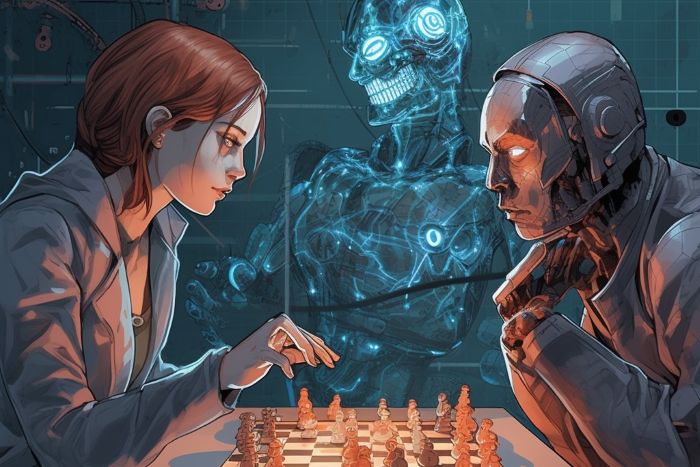
Looking ahead, AI will continue to push the boundaries of human-like interaction in games. Advancements in machine learning, neural networks, and natural language processing are enabling AI to generate behavior that is increasingly indistinguishable from human players. Procedural narratives, dynamic environments, and emotionally intelligent NPCs will redefine expectations for immersion, challenge, and engagement.
Next-gen AI also promises enhanced social and competitive experiences. As AI learns to interpret complex player interactions, anticipate strategies, and adapt communication styles, multiplayer simulations can provide richer training environments, cooperative experiences, and even spectator engagement. Players will encounter AI that not only reacts realistically but also innovates, presenting new strategies and challenges that mirror human ingenuity.
By incorporating data from competitive platforms and eSports communities, AI can continuously evolve. Resources like Dota news and league news of legends track AI integration in professional-level gameplay, highlighting advancements in bot strategy, adaptive learning, and real-time decision-making. This feedback loop ensures that AI remains responsive, sophisticated, and closely aligned with human gameplay expectations.
The convergence of strategic intelligence, emotional awareness, and procedural creativity positions AI as a transformative force in gaming. Beyond entertainment, these systems offer insights into human cognition, teamwork, and problem-solving, illustrating the broader potential of AI as both a tool and a partner in interactive experiences.
Conclusion
Next-generation AI is revolutionizing the way games feel, behave, and engage players. By combining adaptive learning, procedural content generation, and emotional intelligence, AI creates gameplay experiences that are more human-like than ever before. Players encounter opponents, allies, and environments that react, adapt, and respond in ways that mimic human reasoning and emotion, elevating immersion and engagement.
The integration of AI also enhances personalization, strategy, and narrative depth, allowing games to evolve dynamically alongside the player. Platforms such as Dota news and league news of legends provide insights into how AI systems are reshaping competitive gameplay, highlighting innovations in bot intelligence, adaptive decision-making, and emergent strategies.
Ultimately, next-gen AI bridges the gap between human intuition and digital interaction, offering richer, more responsive, and emotionally resonant experiences. As technology advances, AI will continue to redefine expectations, making human-like gameplay not only a test of skill but a deeply human adventure, fostering creativity, strategy, and meaningful engagement for years to come.