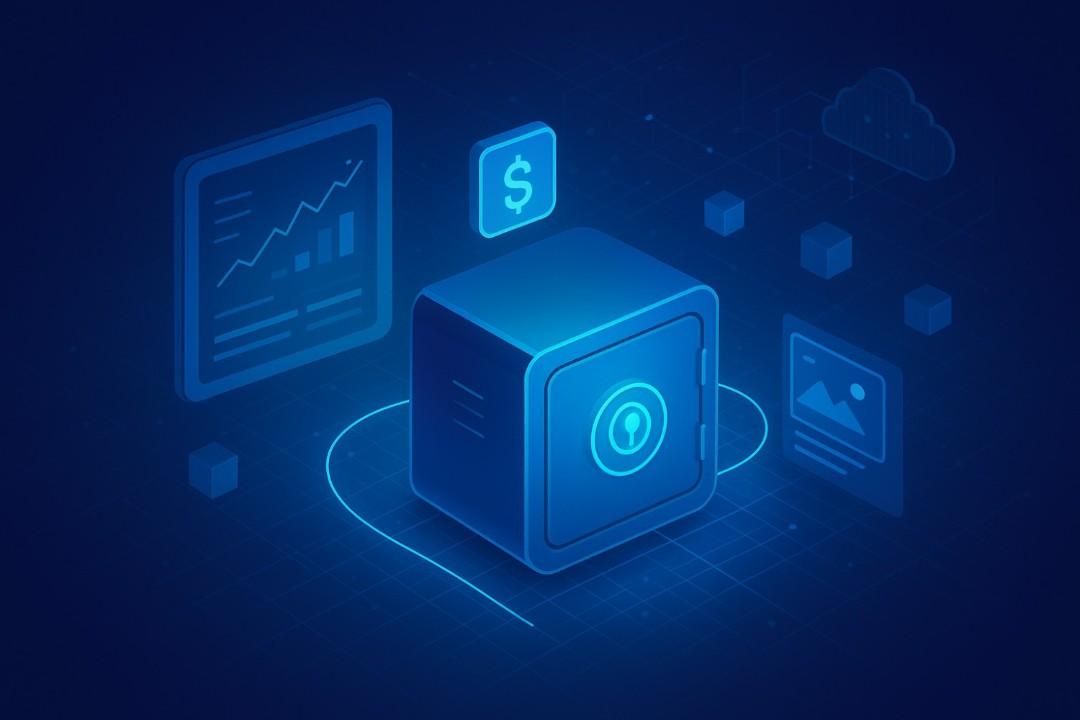
In today’s fast-evolving digital landscape, the concept of ownership has expanded far beyond physical goods. From cloud-stored documents and AI-generated media to in-game items and blockchain-based assets, the world is shifting toward a new era of digital asset management (DAM). As technologies such as AI, cloud computing, and blockchain continue to advance, organizations and even individual users are rethinking how they store, verify, exchange, and secure their digital property.
This shift is reinforced by massive global investment in cloud infrastructure, the backbone of modern digital ecosystems. In fact, global cloud infrastructure service spending grew by $23 billion (28%) year over year, reaching $107 billion in Q3 2025. This surge highlights the accelerating demand for scalable storage, AI-ready compute power, and cloud-native systems that make advanced digital asset management possible at a global scale.
This transformation is more than a trend; it’s a structural change that is redefining industries, entertainment, enterprise operations, and user behavior worldwide.
Table of Contents
- The Rise of Multiform Digital Assets
- Security and Verification: The Next Frontier
- Digital Assets in Entertainment and Gaming: A Rapidly Expanding Segment
- Cloud and AI: Powering the Next Generation of DAM
- The Role of Interoperability in the Future of Digital Assets
- Conclusion: A Tech-Driven Evolution That’s Just Beginning
The Rise of Multiform Digital Assets
Digital assets were once limited to basic files, photos, and videos. Today, the definition includes:
- Cloud-native document
- AI-generated content
- Digital identities
- Virtual items and skins in gaming ecosystems
- Tokenized assets
- Augmented and virtual reality objects
- Metadata-rich enterprise datasets
As the volume and variety of digital assets increase, managing them efficiently has become a mission-critical process for enterprises and creators alike. Cloud platforms play a central role here. They offer scalable storage, advanced security protocols, and cross-platform accessibility, enabling distributed teams to work, innovate, and collaborate with more agility than ever before.
Security and Verification: The Next Frontier
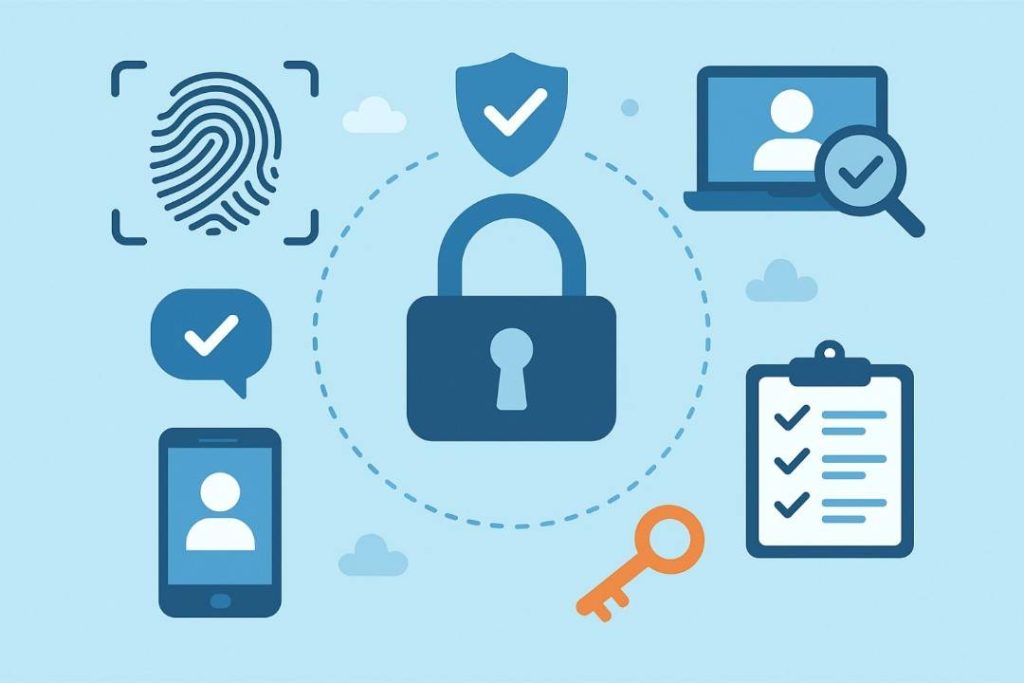
With the rapid growth of digital ecosystems comes a heightened need for security, transparency, and authenticity. This has brought technologies like blockchain, zero-trust security, and encrypted verification into the spotlight.
1. Blockchain for Asset Authenticity
Blockchain’s immutable ledger provides a reliable foundation for tracking asset provenance and preventing fraud. Whether it’s enterprise documents or digital collectibles, blockchain-based verification ensures assets maintain integrity across platforms.
2. AI-Driven Threat Detection
AI and machine learning models now analyze behavioral patterns to detect anomalies, helping organizations protect digital assets from unauthorized access or malicious manipulation. These intelligent systems significantly reduce response time and enhance predictive security capabilities.
3. User-Controlled Encryption Keys
Modern DAM platforms increasingly prioritize user sovereignty. By giving individuals control over their encryption keys, systems reduce dependency on centralized authorities and strengthen the overall security framework.
Digital Assets in Entertainment and Gaming: A Rapidly Expanding Segment
One of the fastest-growing areas of digital asset usage is the gaming industry. Items such as virtual skins, character upgrades, and environment customizations now hold real-world value and cultural significance. This has created a parallel digital economy that requires secure and efficient management solutions.
Gamers today seek platforms that allow them to store, personalize, verify, and exchange in-game items seamlessly. Services like SkinsMonkey have emerged to support this new ecosystem, providing users with a convenient, tech-driven way to manage their gaming inventory in secure digital environments. Integrations like these reflect how tech infrastructure is evolving to support next-generation virtual economies not just for entertainment, but for broader digital commerce.
Cloud and AI: Powering the Next Generation of DAM
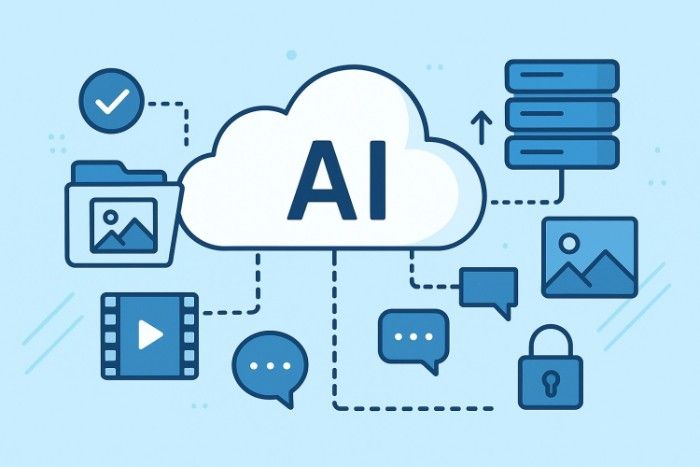
Cloud computing has become the backbone of digital content workflows. Its role is not just storage; it’s automation, collaboration, and optimization.
AI-Powered Organization
AI tools now auto-tag, categorize, and index massive volumes of assets with remarkable accuracy. This reduces manual workload and ensures efficient retrieval, especially for large enterprises or creative studios. Advanced AI can also detect duplicates, suggest metadata improvements, and even predict which assets will be most relevant for upcoming projects, further streamlining operations.
Smart Workflows
Automation enables digital assets to move through approval pipelines, formats, and distribution channels with minimal human input. This leads to faster turnaround times and higher operational efficiency. Workflow analytics provide insights into bottlenecks and resource allocation, allowing teams to optimize processes and maintain consistent quality across projects.
Scalable Infrastructure
Cloud-native systems scale effortlessly as asset volumes grow, making them essential for organizations managing global content repositories. These systems also support multi-region collaboration, real-time updates, and robust disaster recovery, ensuring that assets are accessible, secure, and always up to date, no matter the scale.
The Role of Interoperability in the Future of Digital Assets
Looking ahead, one of the most significant challenges and opportunities lies in interoperability. With digital assets distributed across multiple ecosystems, platforms, and devices, seamless communication between systems is crucial.
- Emerging standards and APIs are helping enable:
- Cross-platform synchronization
- Secure asset portability
- Consistent metadata structures
- Unified governance framework
Interoperability will define the next decade of digital asset management, making the entire ecosystem more fluid, user-centric, and future-ready.
Conclusion: A Tech-Driven Evolution That’s Just Beginning
Digital asset management is no longer a backend process; it is a strategic technological pillar shaping how individuals and organizations interact with the digital world. With advancements in AI, blockchain, cloud integration, and virtual ecosystems, the future of DAM is intelligent, secure, scalable, and deeply integrated into daily workflows.
As more industries adopt digital-first approaches and virtual economies continue to grow, effective digital asset management will become a foundational requirement for innovation, collaboration, and long-term digital sustainability.